


















Loading Text
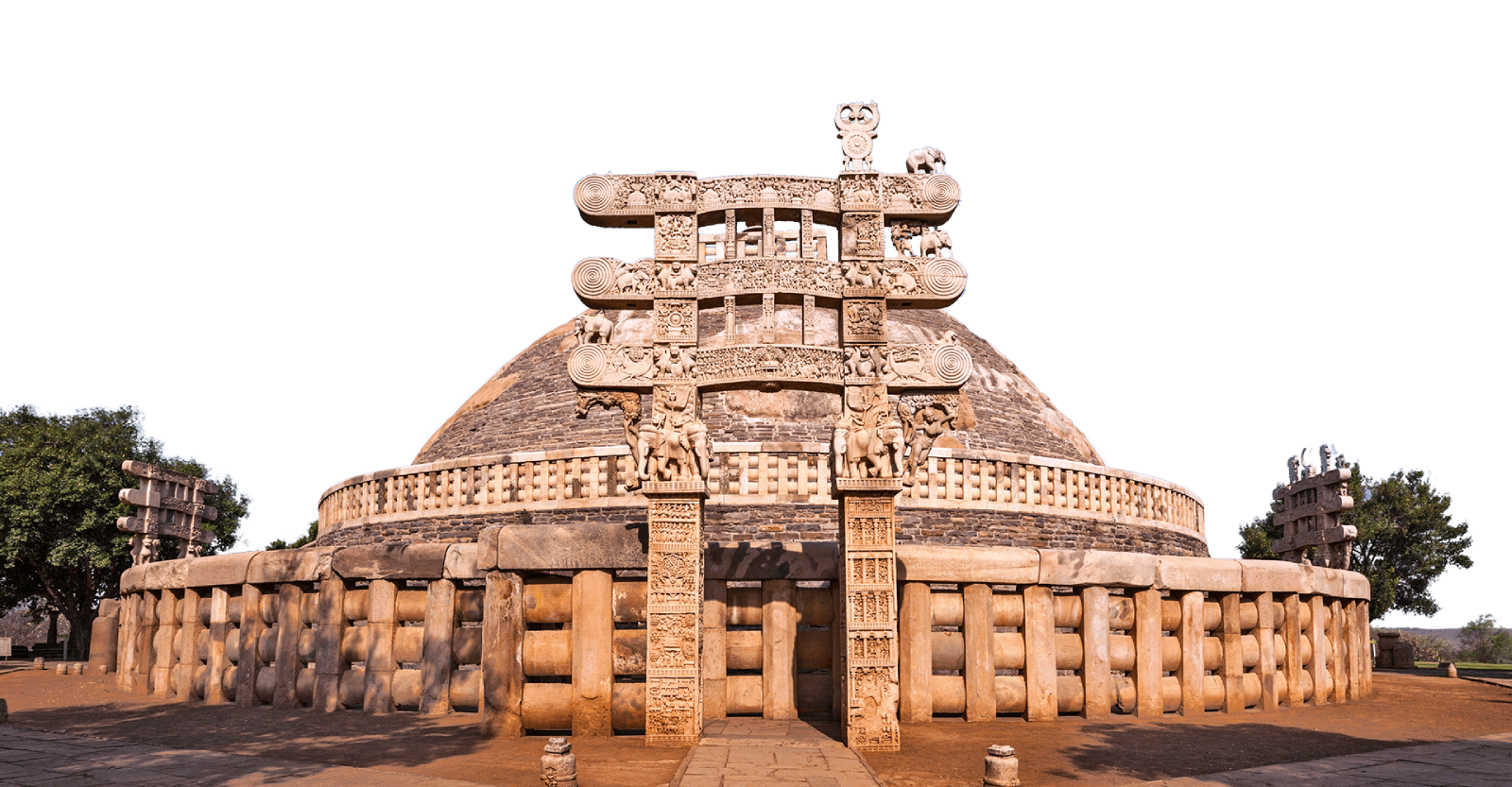
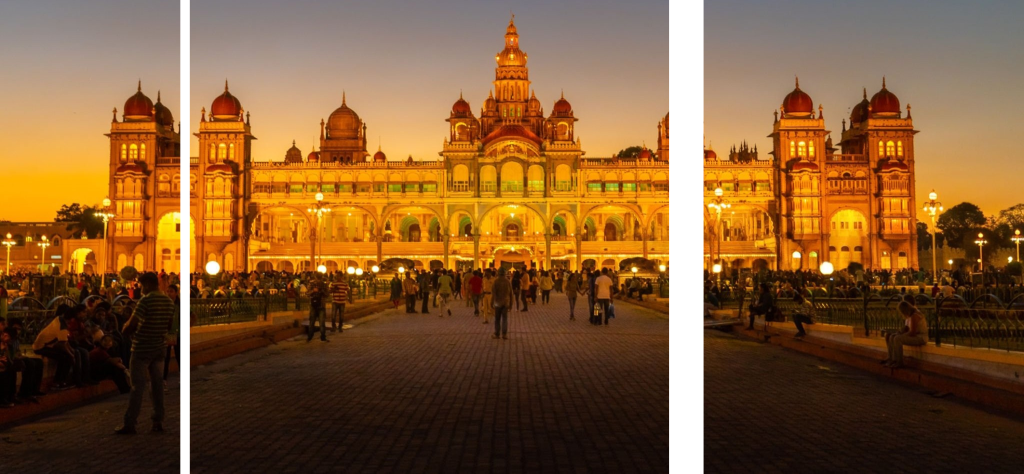
Grand temple with multiple spires

Divinity

Explore the timeless architectural marvels that have stood for centuries as beacons of faith and artistry.

Explore
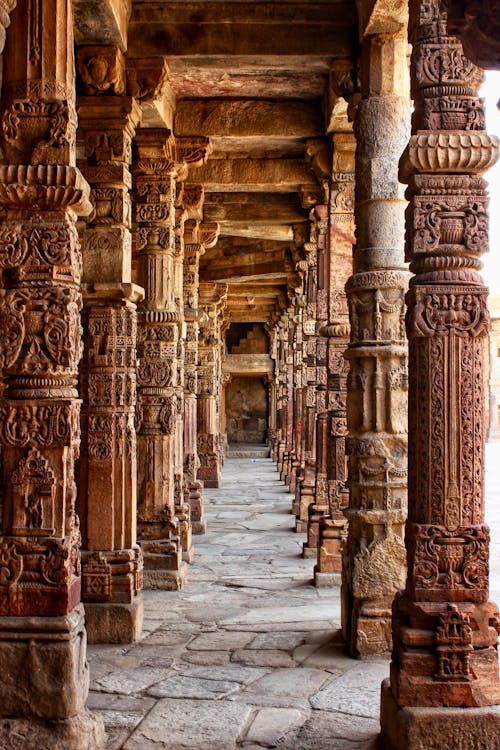
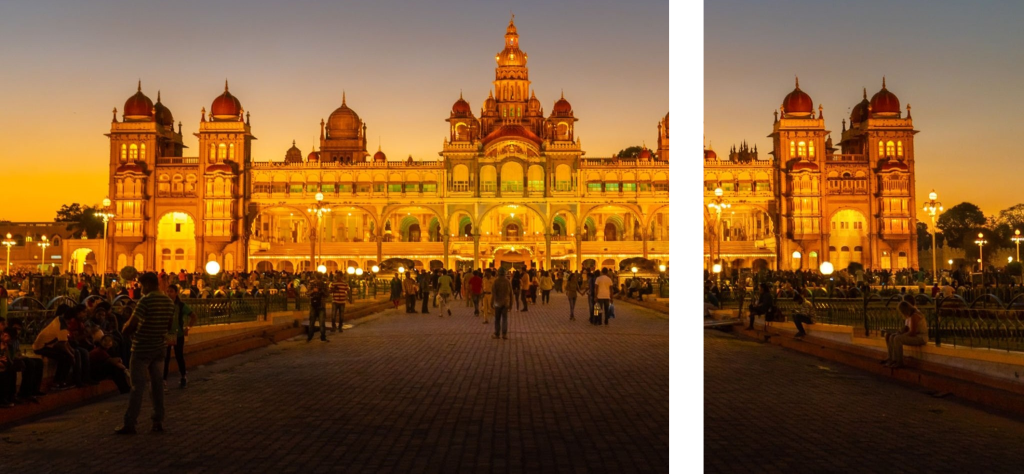
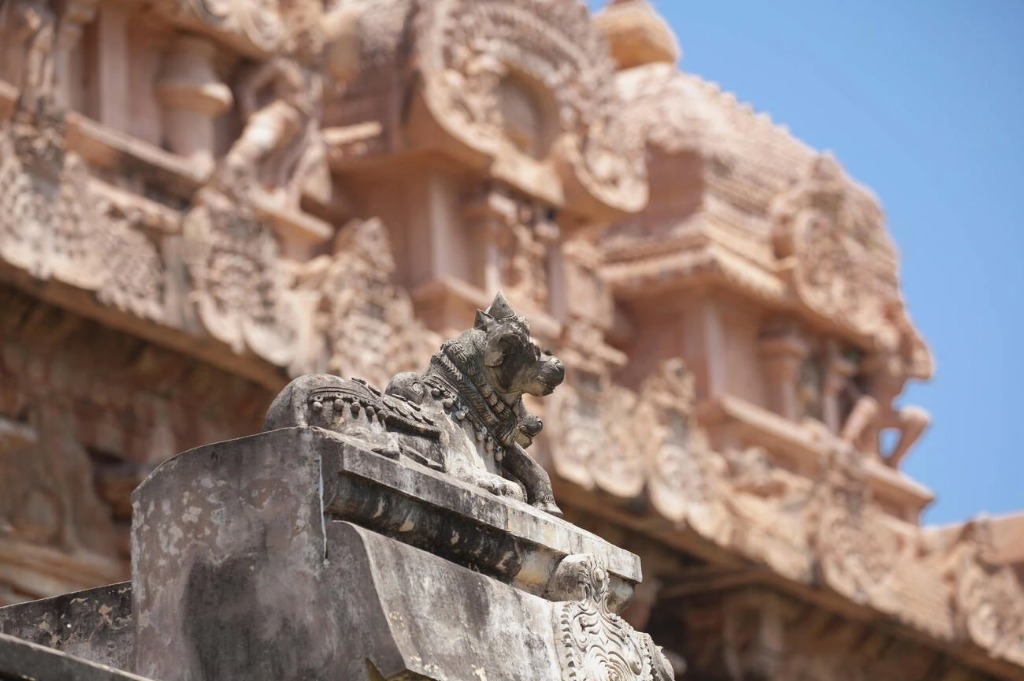
Intricate South Indian temple gopuram

Spires

Witness the sacred spires and gopurams, intricately carved to tell stories that reach for the heavens.

Explore
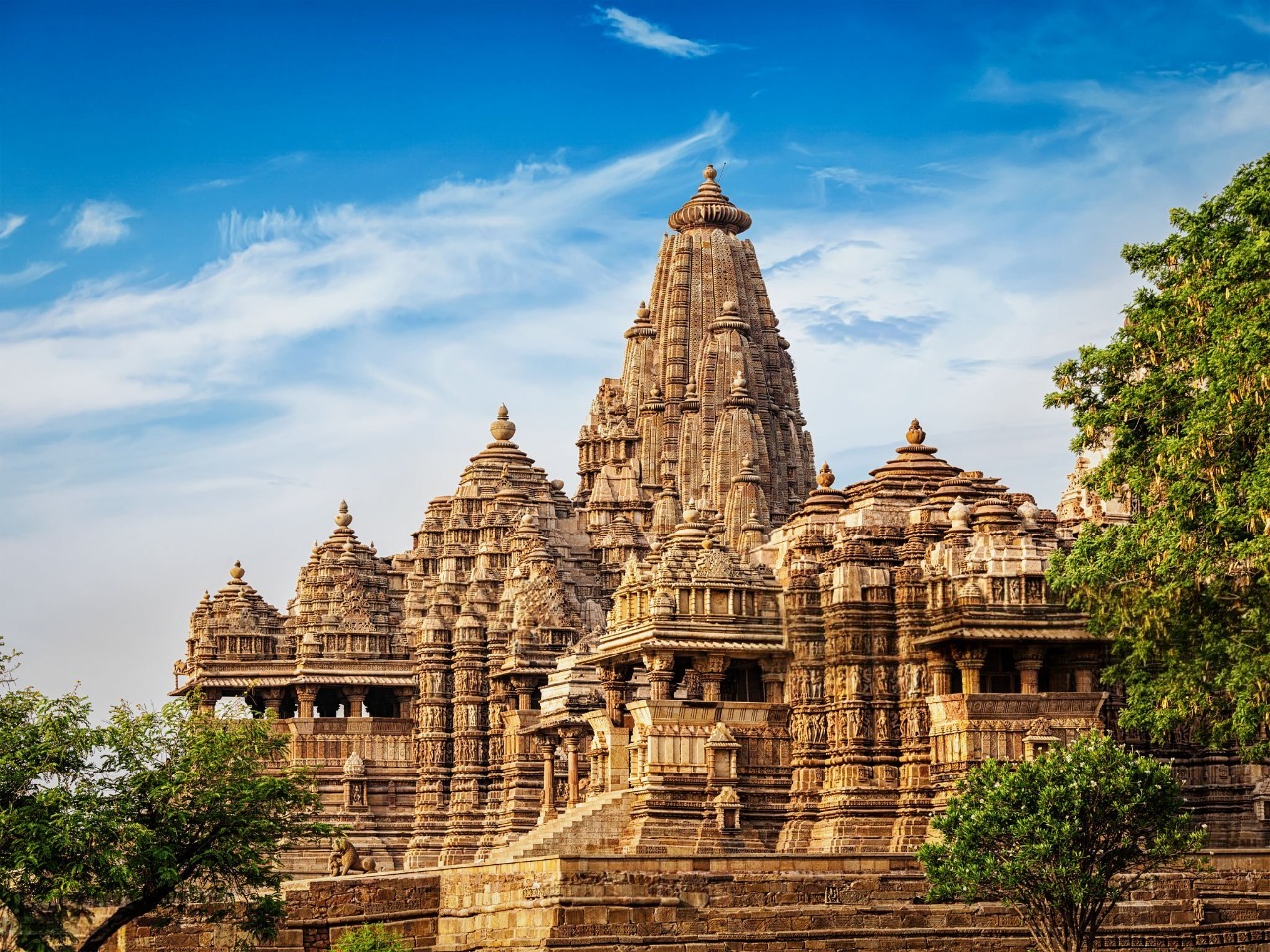
Ornate golden temple structure

Sanctuary

Discover golden sanctuaries, where intricate design and profound spirituality unite in a display of serene beauty.

Explore

She carries the weight of millennia with grace, yet her spirit remains timeless – for Bharath is the Land of Eternal Heritage.

At Pleach, we keep this legacy alive with authentic, unbiased & engaging storytelling.

We embrace inclusivity, innovation & collaboration, ensuring heritage remains relevant for all.

By bridging past, present, and future, we make history a living experience.

About Us
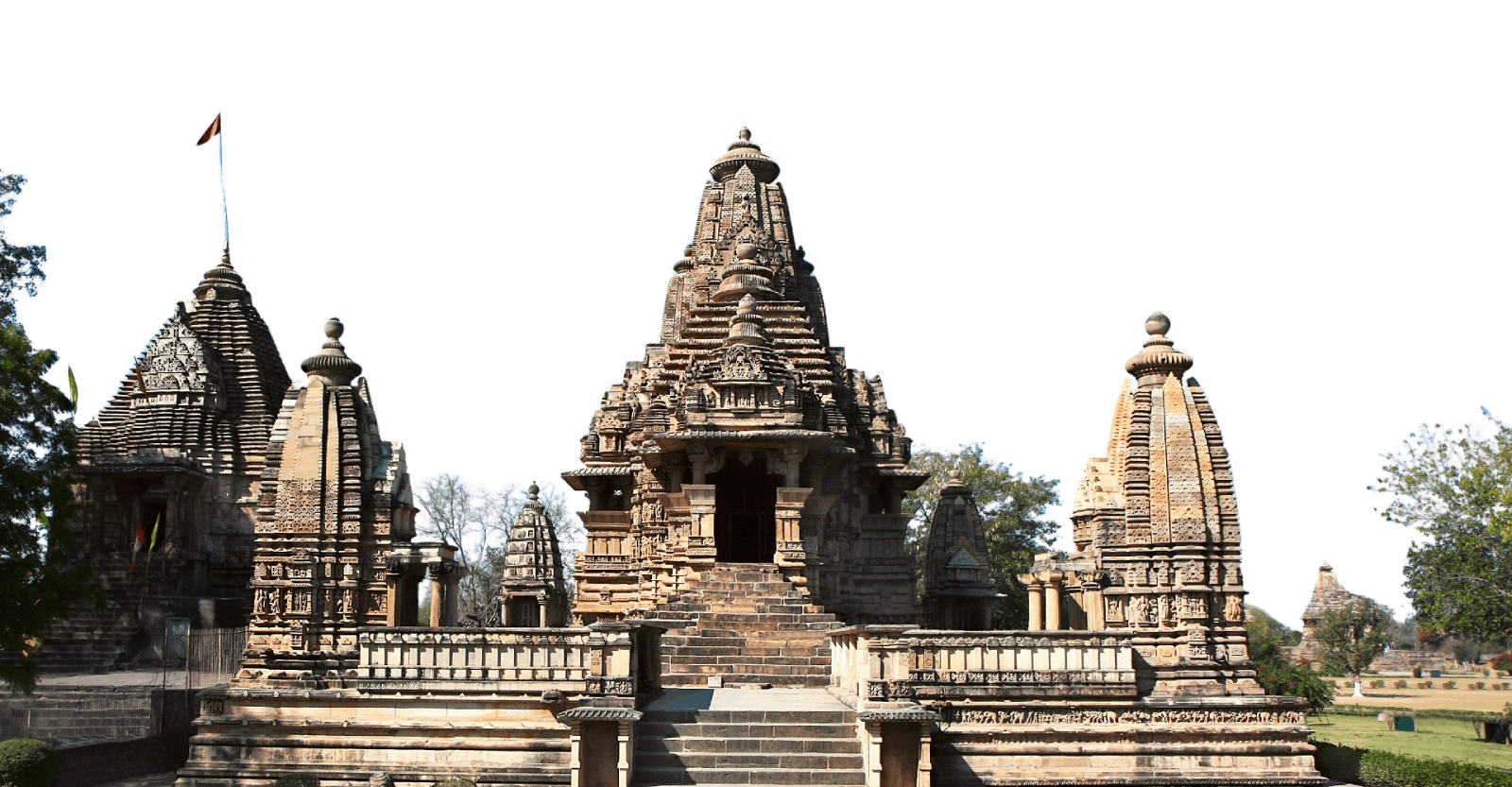
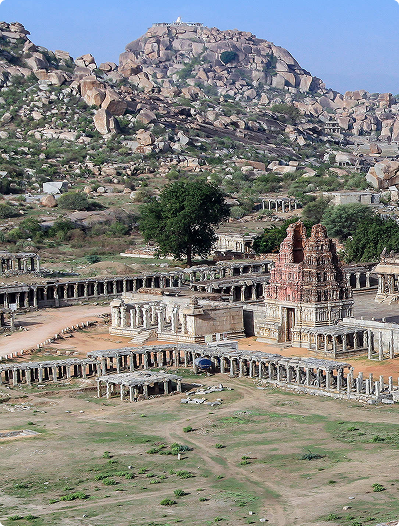
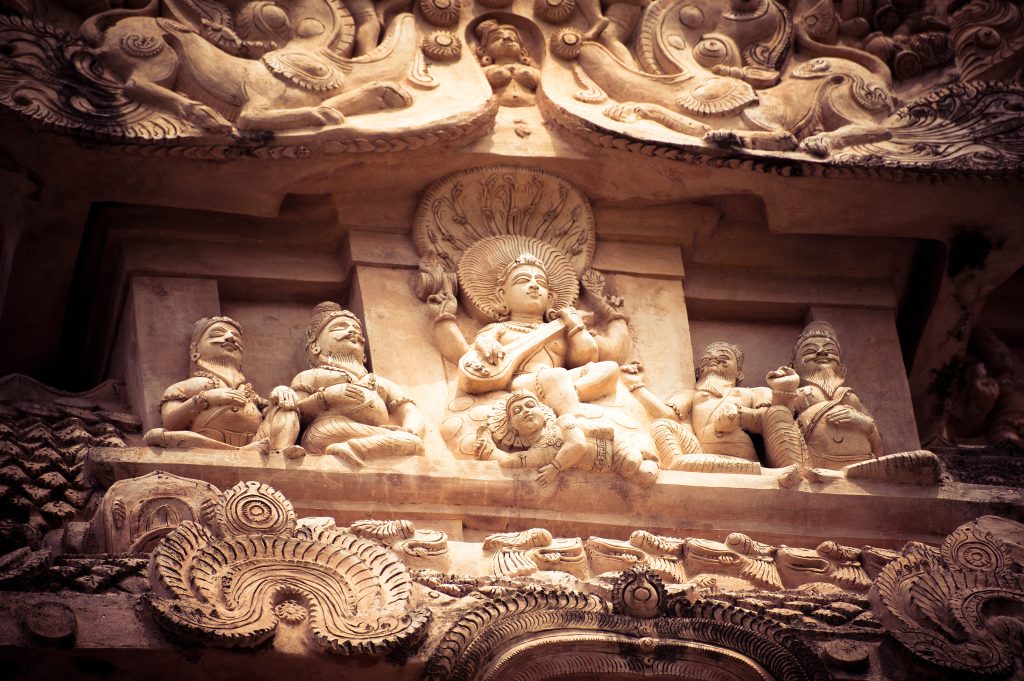
Konark Sun Temple Carvings
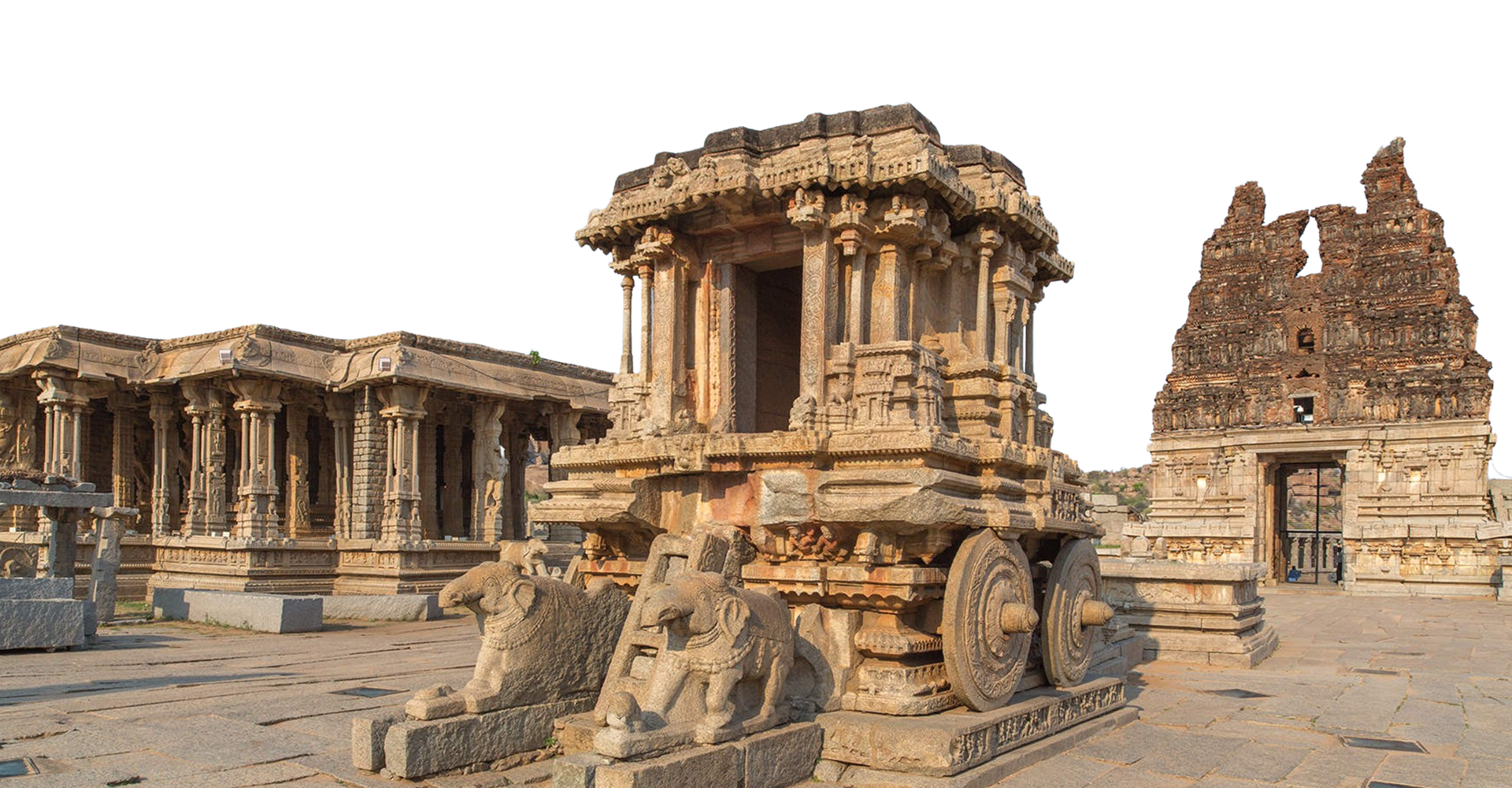
Hampi Stone Chariot
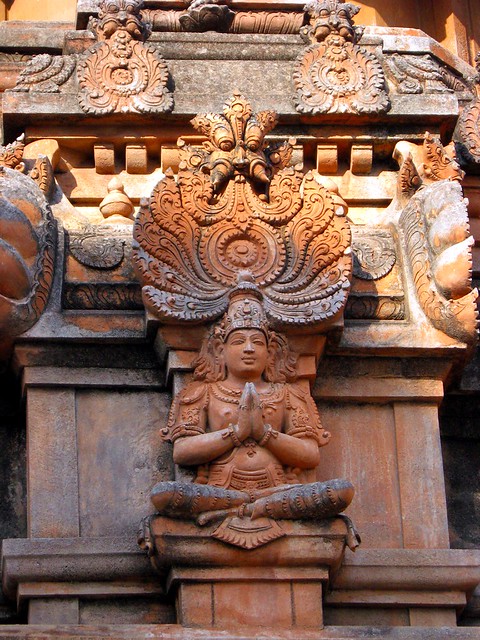
Intricate Temple Sculpture
Detailed Temple Entrance
About Us Section

Some see it as history

A TALE OF RUINS AND KINGS.

BUT

WE SEE A LIVING SOUL

She carries the weight of millennia with grace, yet her spirit remains timeless – for Bharath is the Land of Eternal Heritage.

At Pleach, we keep this legacy alive with authentic, unbiased & engaging storytelling. We embrace inclusivity, innovation & collaboration, ensuring heritage remains relevant for all. By bridging past, present, and future, we make history a living experience.

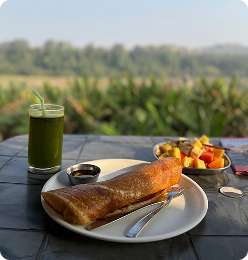
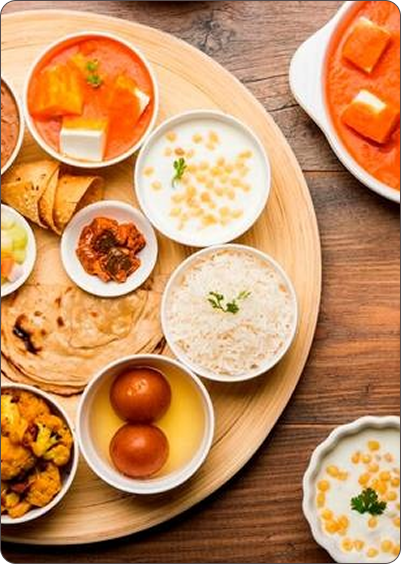
Experience the Local Flavors

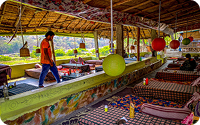
Experience the local flavours of Hampi by savouring traditional South Indian dishes, farm-fresh produce, and authentic street food. From spicy dosas and millet-based meals to sweet treats and refreshing buttermilk

every bite reflects the region’s culinary heritage. Don’t miss trying recipes passed down through generations, made with locally grown ingredients that bring out the true taste of Hampi.

F

Fairs & Festivals

The Cholas were among the most powerful dynasties in South Indian history, ruling for over four centuries. Their reign, particularly from the 9th to the 13th century, saw remarkable achievements in administration, military conquests, temple architecture, literature, and maritime trade.
He also undertook massive public works, including the construction of irrigation tanks and temples. Under his rule, the city of Vijayanagara (Hampi) flourished as a center of trade, attracting merchants from Portugal, Persia, and beyond.

Handicrafts

Kanjivaram sarees: Considered to be the descendants of the acclaimed heavenly weaver Markandeya, the weavers of Kanchipuram produce some of the excellent silk sarees in India.

Thanjavur Paintings: Nearby Thanajvur is known for its lavish pictures of deities painted in an eponymous art style entirely unique to the town.

Marked by brilliant colors and bright ornamentation like gold foil, Thanjavur art is a favorite among art collectors the world over.

H

D

Delicacies

Doasa: A thin, crispy crepe made from fermented rice and lentil batter. It is usually served with sambar (a lentil stew) and coconut chutney.
Idly: Steamed rice cakes made from fermented rice and lentil batter. They are a healthy and easily digestible breakfast option.
sambar: The story of the sambar in Thanjavur goes back to the reign of Shahuji-I.


His kitchen is believed to have tweaked the Amti using tur dal instead of moong dal and most importantly substituted kokum with tamarind pulp.

Best of Hampi & Nearby Attractions

Nestled in Karnataka, Hampi was the flourishing capital of the Vijayanagara Empire in the 14th century. Built and expanded by powerful rulers, it stands as a stunning testament to South Indian architecture, with its majestic temples, stone structures, and rich cultural legacy. Here’s a perfect one-day itinerary to explore its timeless heritage.

For your Convenience

To Stay

Kumbakonam is the best place to stay during your visit to Gangaikonda Cholapuram, offering a wide range of hotels and guest houses to suit every budget.

By Road

Ariyalur Bus Stand – Udaiyarpalayram – Jayankondam – Chidambaram Road (47 km) get off from the bus at GangaiKonda Cholapuram Bus Stop and can hire auto rikshaw to the temple.

By Train

Chennai – Trichy Route, get off from the train at Ariyalur Railway Station

By Train

Nearest Airport is Trichy Airport (109 km). Ariyalur can be reached by bus or train from Trichy.

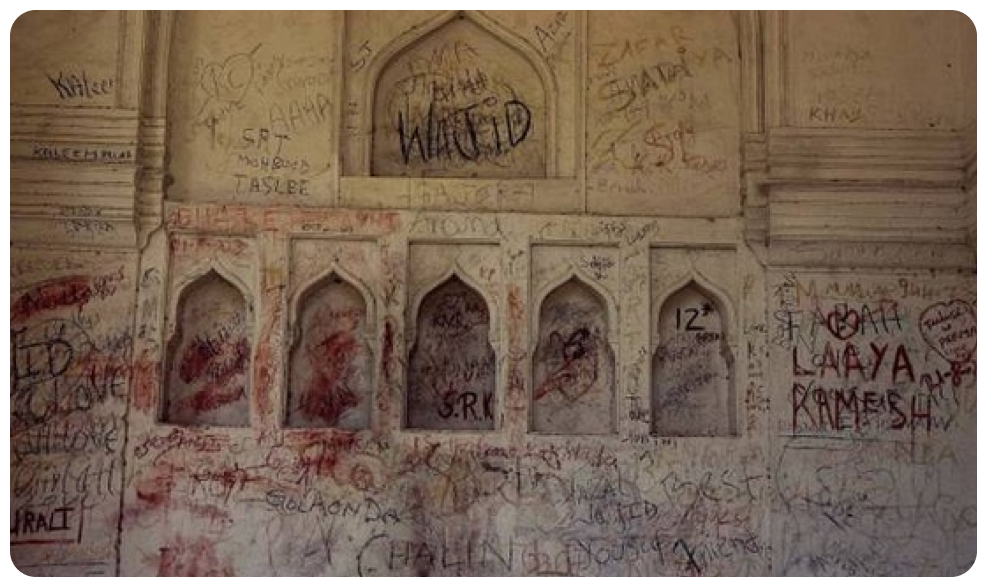
Touch me Not

Untouched panel remains pristine, while the accessible part fades under human hands

Let us Cherish & Preserve our Heritage!

Best of Hampi & Nearby Attractions

Nestled in Karnataka, Hampi was the flourishing capital of the Vijayanagara Empire in the 14th century. Built and expanded by powerful rulers, it stands as a stunning testament to South Indian architecture, with its majestic temples, stone structures, and rich cultural legacy. Here’s a perfect one-day itinerary to explore its timeless heritage.

Heritage Belongs to Everyone

Don’t block others

Monuments Aren’t Your Canvas

Don’t deface history.

Soak in the History Peacefully

Admire in silence.

Every Sign is There for a Reason

Respect the rules

Carry Your Trash to the Bin

Leave only footprints

Look, Don’t Touch

Preserve, don’t disturb

Golden Rules of Heritage Etiquette

Custodians

As a UNESCO World Heritage Site, the Brihadisvara Temple at Gangaikonda Cholapuram benefits from global recognition and support, underscoring its significance and the need for careful preservation.
Guided by UNESCO’s best practices, the Archaeological Survey of India (ASI) leads on-ground efforts—such as cleaning, restoration, and stabilization of the delicate chloritic schist stone carvings prone to erosion. In collaboration with state authorities and heritage conservation groups, these custodians work together to safeguard this iconic monument.

Enduring Challenges & Preservation Efforts

Since its inception, the Gangaikonda Cholapuram temple has faced numerous threats and undergone extensive conservation efforts. Over the centuries, natural elements such as weathering, erosion, and climatic fluctuations have gradually worn away the intricate stone carvings. Human-induced challenges—including periods of neglect, potential vandalism, and environmental pollutants—have further threatened the temple’s structural and artistic integrity.
In response, successive generations of custodians have implemented a range of conservation measures.

Above all... the Clock's ticking

Today, as with our lives, ‘Climate change’ is rewriting the fate of our heritage as well.

Explore how time, restoration, and heritage conservation have transformed Hampi from an ancient site into a must-visit cultural treasure.

Today, these majestic ruins have been beautifully preserved and brought to life for visitors. Temples, monuments, and open courtyards welcome travellers from across the world, offering a glimpse into the grandeur of the Vijayanagara Empire.

Hampi’s ruins once stood silent, covered in history and nature’s embrace. Crumbling stone structures and overgrown pathways told tales of a forgotten empire.

Before & After

The monuments of Hampi reflect a remarkable fusion of artistic brilliance and urban design. Their grandeur is found not only in intricate carvings and towering structures but also in the seamless blend of religious sites, public spaces, and advanced water systems. From the musical pillars of Vittala Temple to the expansive Virupaksha complex, each monument offers a unique experience, inviting visitors into the heart of a civilization that celebrated art, devotion, and innovation.
impact on South India extends far beyond its three-century rule. Rising from the collapse of earlier Hindu kingdoms, it became a symbol of religious tolerance, cultural richness, and architectural magnificence. Despite external forces causing its fall, the empire’s legacy endures in the magnificent ruins of Hampi, a pivotal chapter in South India’s history.

The Vijayanagara Empire's

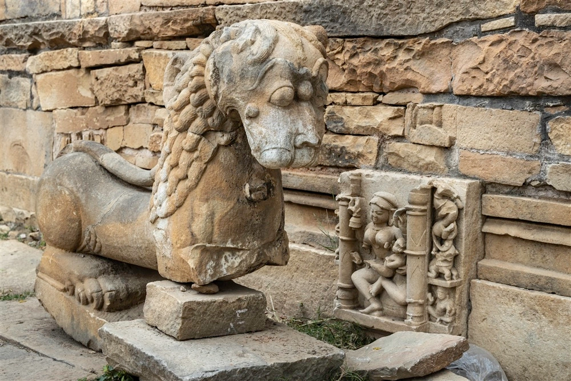
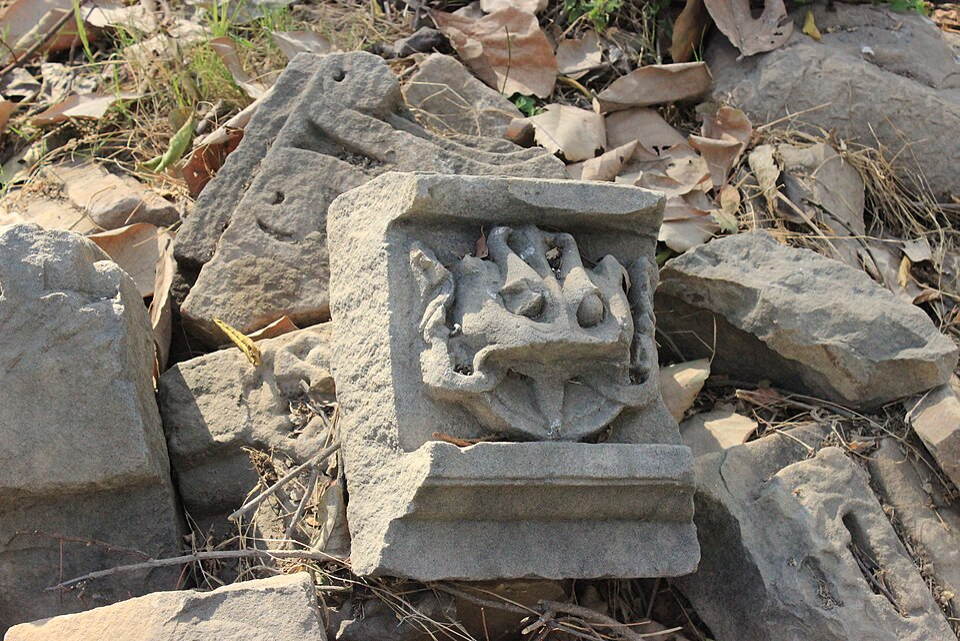
A Leogryph reminds of the sculptural prowess of the artists of Bateshwar

A Leogryph reminds of the sculptural prowess of the artists of Bateshwar

& Influences

Stylistic Evolution

Within an open-air pavilion supported by intricately carved pillars, the statue sits, embodying Hindu temple architecture. An inscription reveals its historical significance.

Epic Narratives

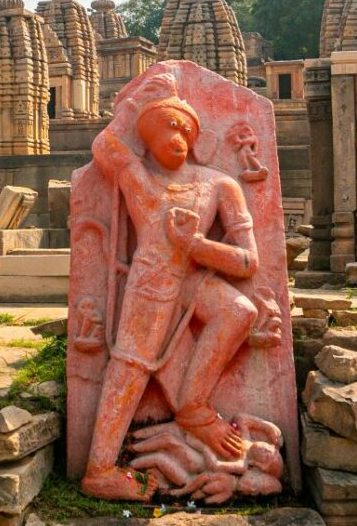
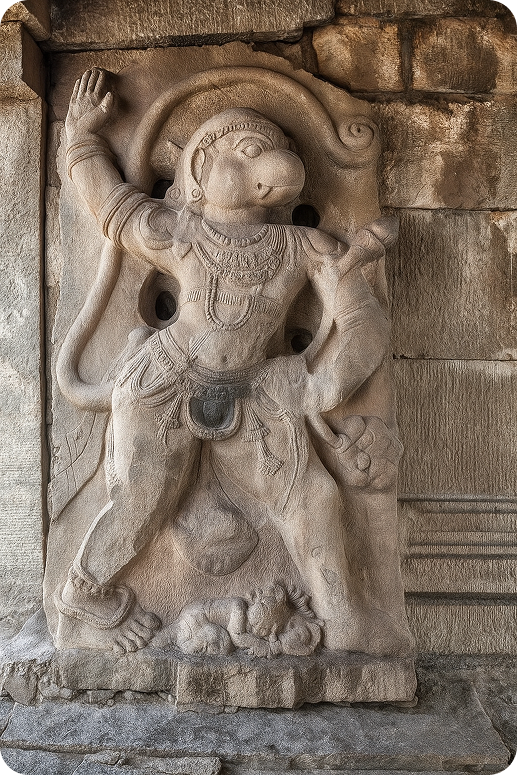
Hanuman, Always at Vigilance
The temple complex is a major archaeological site, restored by the Archaeological Survey of India (ASI), and the Hanuman statue is part of this rich historical and religious heritage
Lorem Ipsum is simply dummy text of the printing and typesetting industry. Lorem Ipsum has been the industry’s standard dummy text ever since the 1500s, when an unknown printer took a galley of type and scrambled it to make a type specimen book.

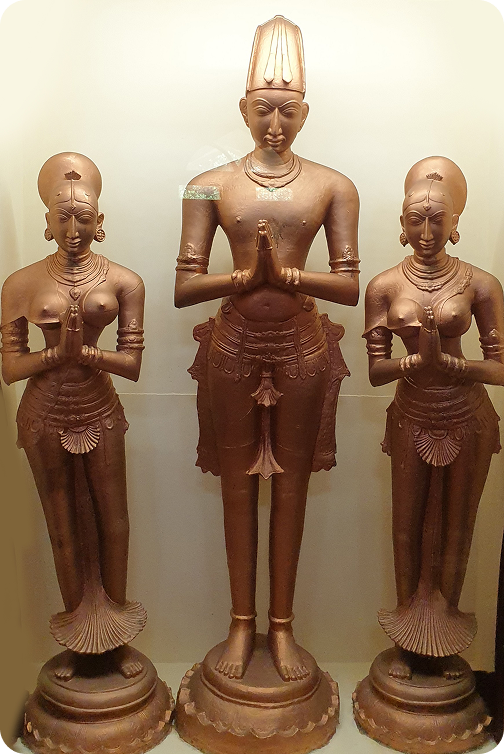
Statue of Krishnadevaraya and his wives

Statue of Krishnadevaraya and his wives
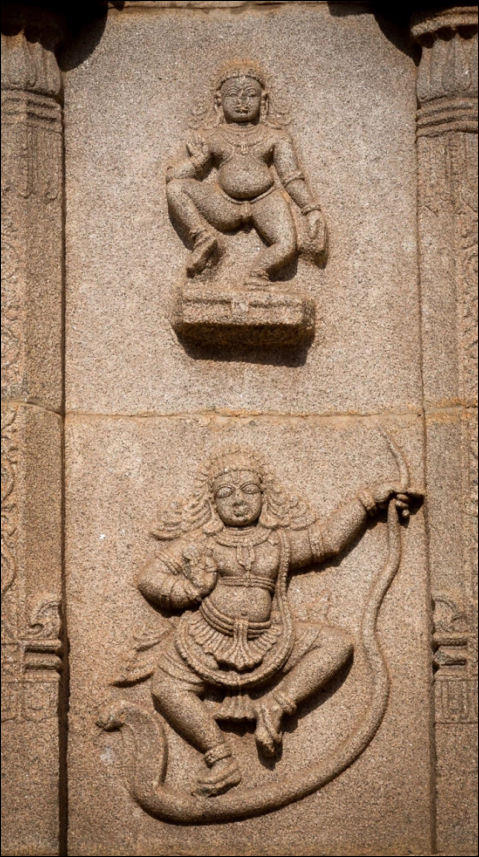
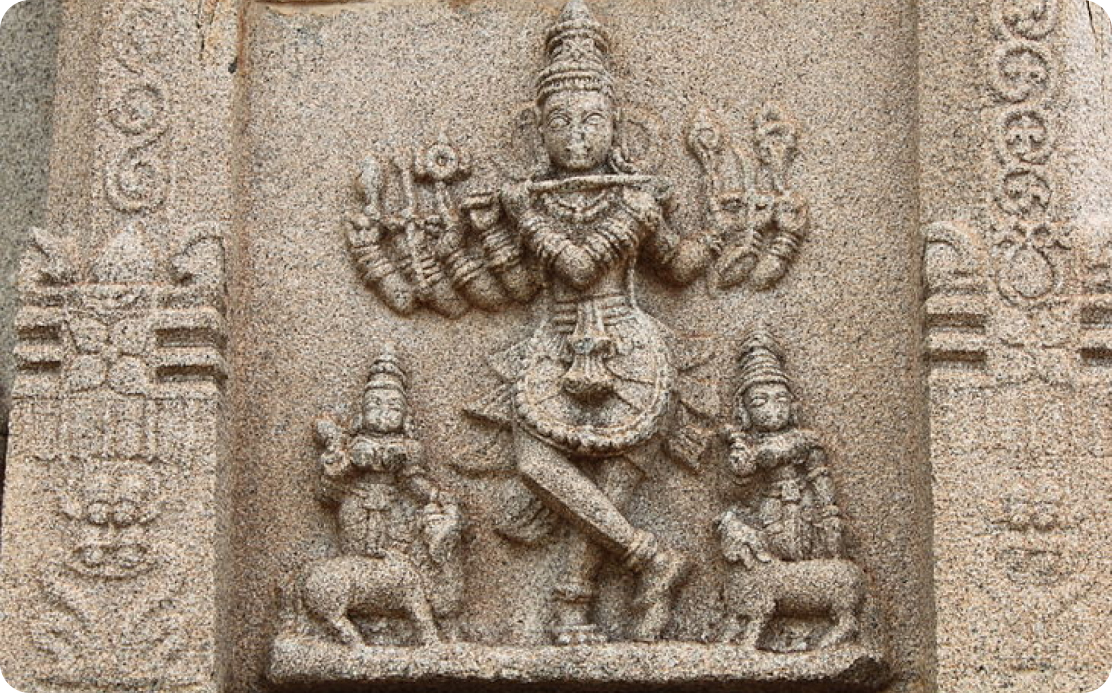
Krishna, revered as the most beloved god of the Vijayanagara Empire, is prominently featured in the region’s art and architecture, with numerous depictions of his life and divine exploits.
From his miraculous childhood antics in Gokul to his pivotal role in the Mahabharata, stories of Krishna’s grace, wisdom, and playful nature are intricately illustrated on the walls of temples and monuments.
These vivid representations not only celebrate his significance in Hinduism but also reflect the deep devotion of the people of Vijayanagara toward their beloved deity.

Stylistic Evolution

Statue of Krishnadevaraya and his wives

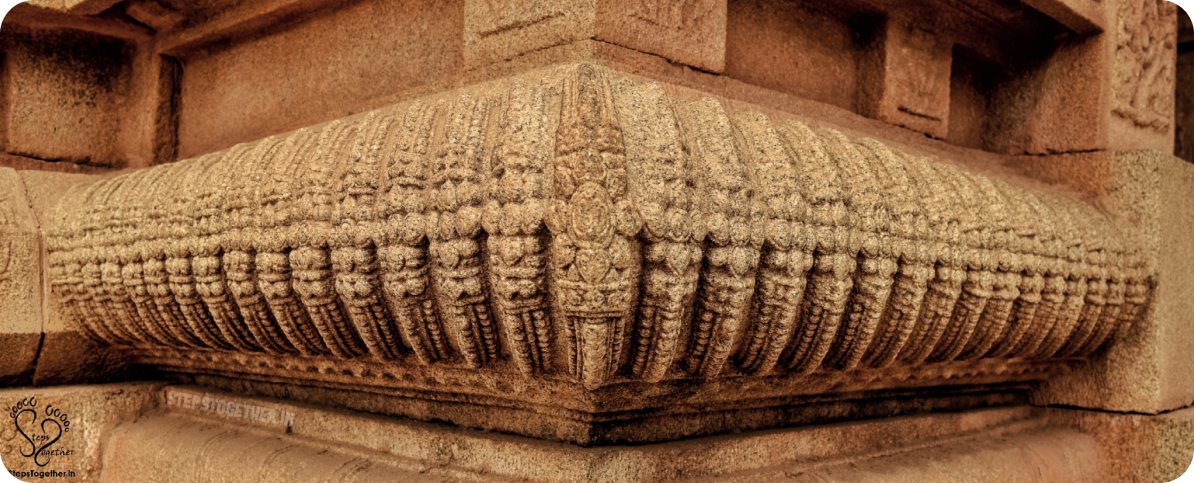
Jewelry-like intricate designs

Hampis Monuments sparkle with jewelry-like intricate designs, as if every carving is a precious gem, detailed way!
Every curve and pattern tells a story-Hampi’s carvings are so finely crafted that they resemble intricate jewelry, turning stone into timeless art.
Explore how craftsmanship meets devotion in every detail!
The social life of the people during the Vijayanagara Empire is vividly depicted on the walls of its monuments, showcasing scenes of daily activities, cultural festivities, and rituals.
The Vijayanagara Empire produced an impressive array of sculptural masterpieces. Some of the most renowned examples include the intricately carved Virupaksha Temple, the Vittala Temple
with its famous stone chariot and musical pillars, and the Hazara Rama Temple, adorned with Ramayana scenes. Structures like the Lotus Mahal and Elephant Stables reflect the empire’s architectural brilliance, offering a glimpse into its art, culture, and devotion. These sculptures stand as a testament to the empire’s craftsmanship and rich heritage.

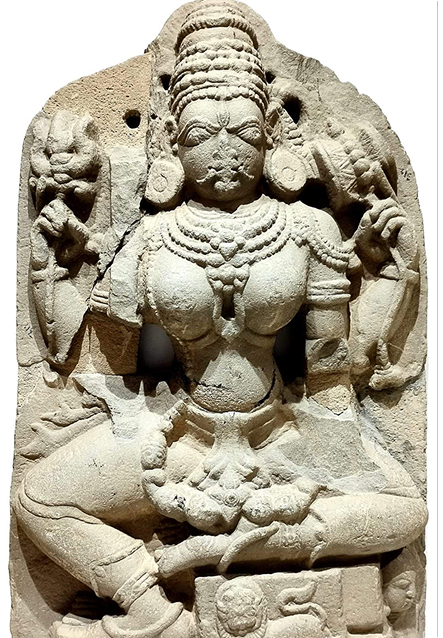
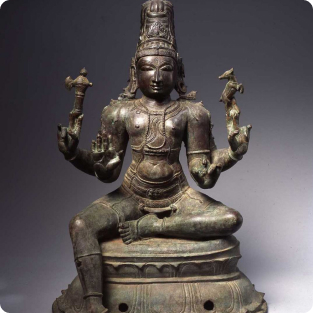
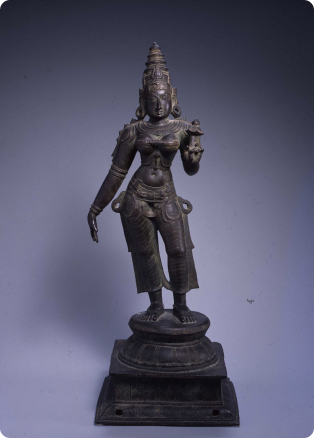
Bronze Legacy

The Vijayanagara Empire’s bronze sculptures, crafted with exceptional detail using the lost-wax technique, depict deities, royalty, and myths—reflecting its deep Hindu devotion and advanced artistry, preserved in temples and museums.

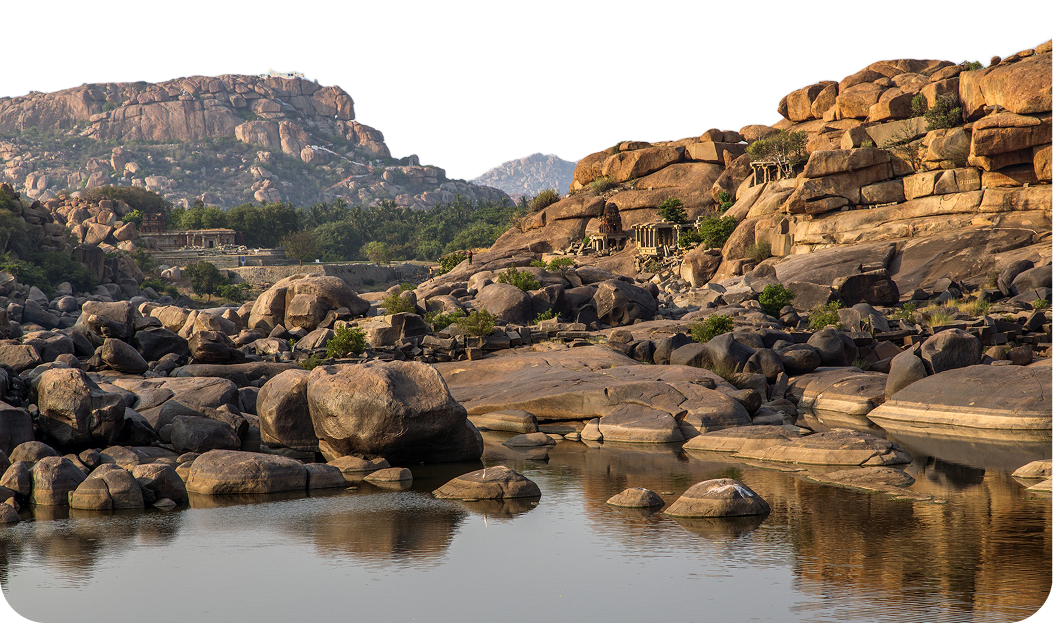
On the Banks of Tungabhadra

Along the banks of the Tungabhadra River, Hampi is home to numerous exquisite rock-cut sculptures, showcasing the artistic brilliance of the Vijayanagara Empire. These intricate carvings, etched into the boulders, reflect the region’s rich cultural and religious heritage.

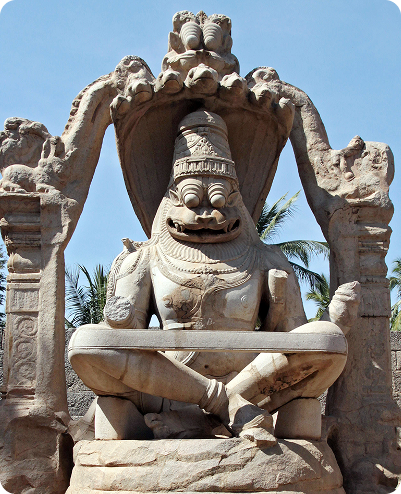
The Ugra Narasimha Statue

Statue of Krishnadevaraya and his wives
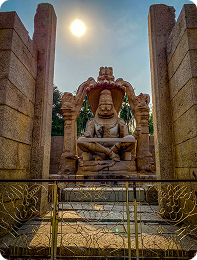
The Ugra Narasimha statue, crafted in 1528 CE by Emperor Krishnadevaraya of the Vijayanagara Empire, is a remarkable symbol of artistic brilliance and religious devotion.
Carved from a single granite block, it depicts the fierce incarnation of Lord Vishnu, exuding power and rage with its bared fangs and wide eyes. Originally accompanied by the peaceful figure of his consort Lakshmi, the statue now stands alone, emphasizing Narasimha’s

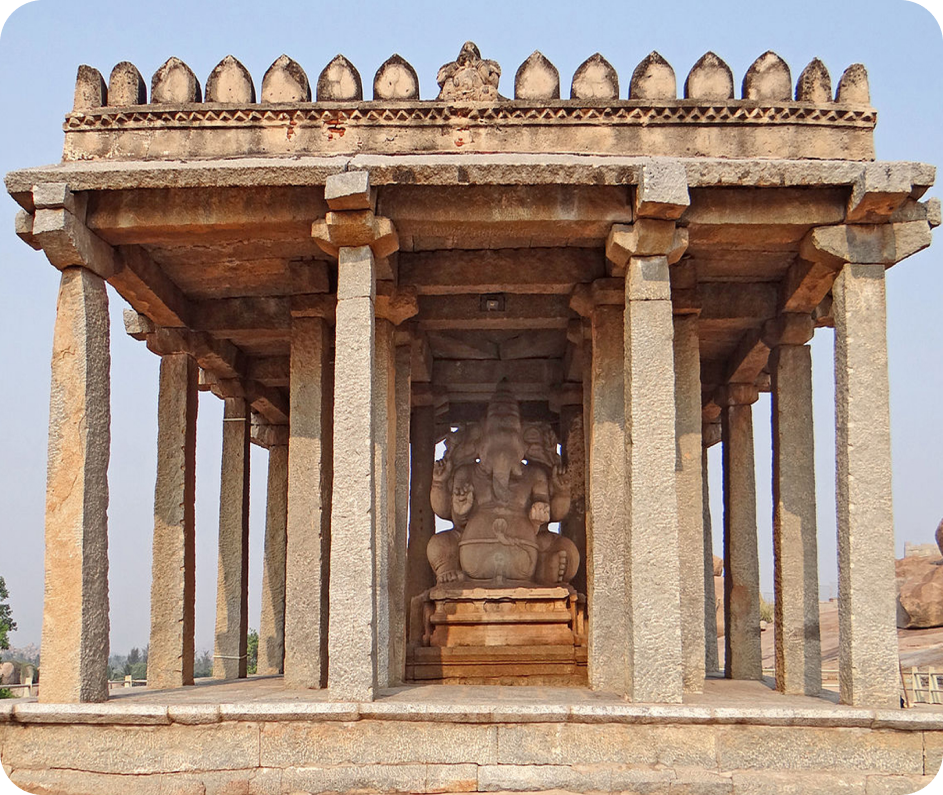
Sasivekalu Ganesha

Standing at 8 feet tall, the Sasivekalu Ganesha statue, carved from a single block of stone, honors Lord Ganesha, renowned for overcoming obstacles. Dating back to around 1500 CE, it likely commemorates King Narasimha Il of the Vijayanagara Empire. Its mustard seed name connects to Ganesha’s round belly.
Within an open-air pavilion supported by intricately carved pillars, the statue sits, embodying Hindu temple architecture. An inscription reveals its historical significance.

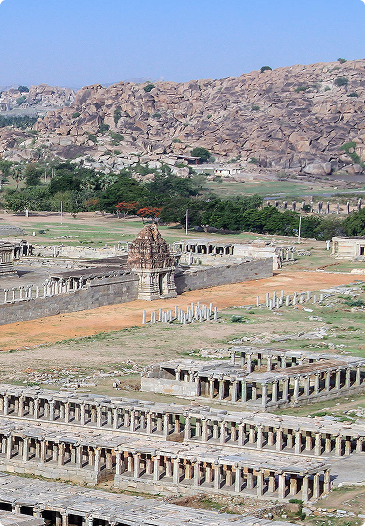
Sprawling majestically over 41 square kilometers, Hampi is an open-air museum teeming with the architectural wonders of the Vijayanagara Empire. The Vijayanagara rulers displayed innovation in town planning, evident in the well-laid-out city of Hampi with its royal enclosures, sacred complexes, and public spaces.

The Portuguese traveler Domingo Paes, who visited his court, wrote:

“The king is of medium height, and of fair complexion and good figure, rather fat than thin. He is the most feared and perfect king there could possibly be.”
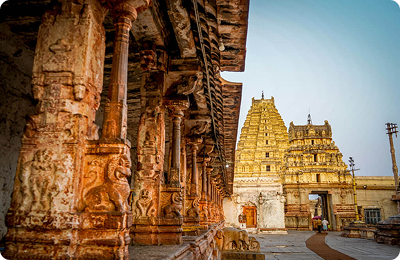
Once the grand capital of a powerful kingdom, Hampi’s historical significance is matched only by the sheer scale of its monuments. The empire’s exquisite temples, particularly those at Hampi, stand as testaments to the architectural brilliance of the era.

The use of towering gopurams (gateway towers), intricately carved pillars, and distinct styles like the Dravidian reflect a flourishing artistic tradition.  From intricately carved temples to pillared halls and royal complexes, each structure whispers tales of a glorious past.


Let’s delve into this captivating realm, exploring some of the most noteworthy monuments that continue to enthrall visitors from all corners of the globe.

It was the spiritual guidance and political acumen of the Shankaracharya that proved instrumental in the  rise to power of the founders and laid the foundation for a great  empire.

According to the  legend, Shankaracharya’s travels led him to the banks of the Tungabhadra River. As he sat in meditation, he sees a frantic frog seeking shelter from a sudden downpour, and is offered help by a snake, its natural predator in a remarkable display of harmony.

Material Used

The main materials used in the construction of structures in Hampi are local granite for the main structures and platforms, burnt bricks for roofs and other components, and lime mortar as a binding agent. 
Vijayanagara art and architecture are defined by grand structures and intricate carvings, blending Dravidian and Indo-Islamic styles. Notable for monumental temples, palaces, and fortifications, these works feature elaborate sculptures and detailed frescoes.

Vijayanagara art and architecture are defined by grand structures and intricate carvings, blending Dravidian and Indo-Islamic styles. Notable for monumental temples, palaces, and fortifications, these works feature elaborate sculptures and detailed frescoes.

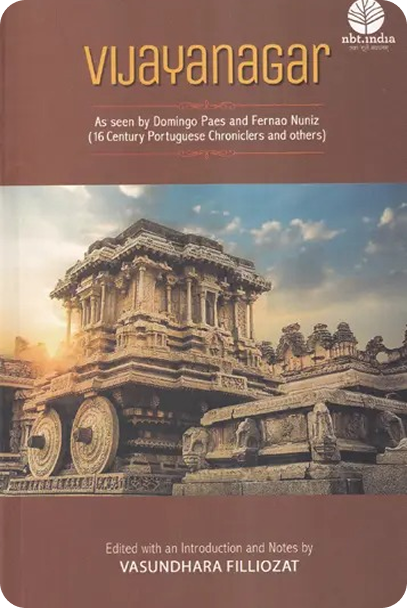
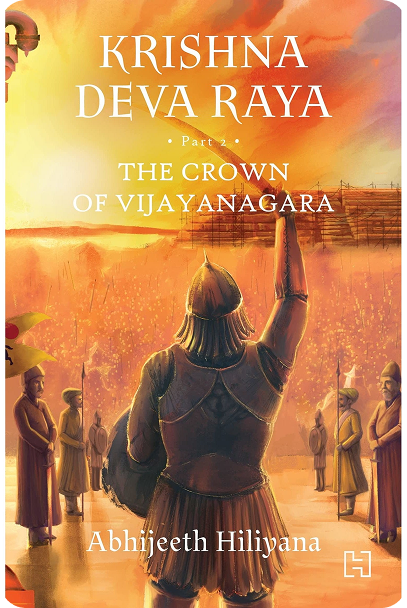
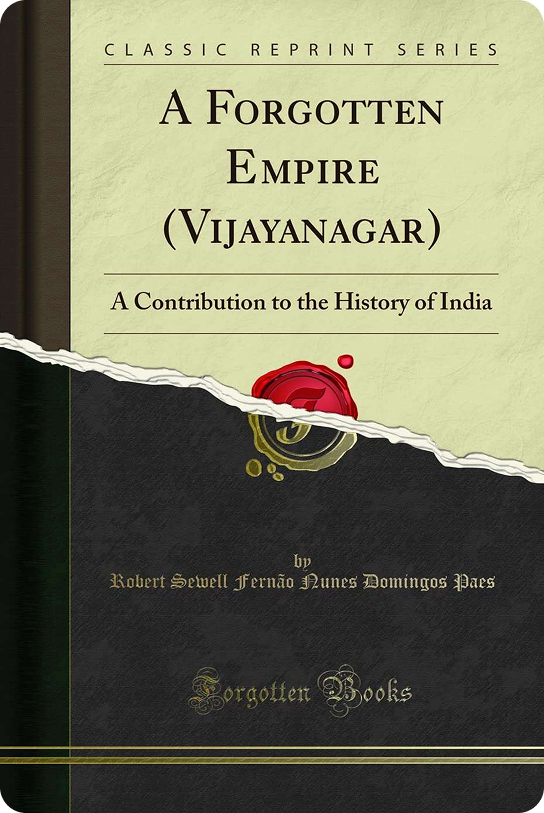
For the serious reader

The history of the Vijayanagara Empire is vast and multifaceted, best understood through a careful study of key scholarly works. Below are some of the major books that offer detailed insights into its political history of the region
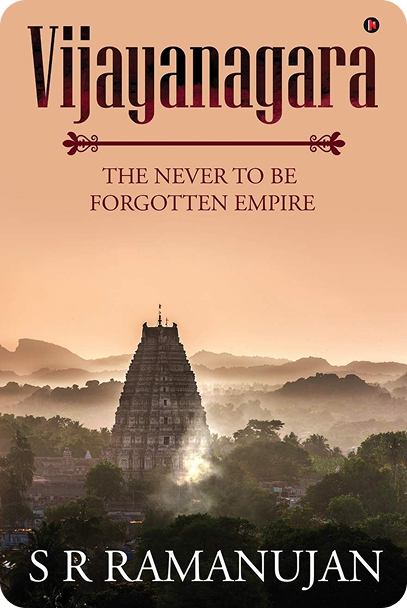
Robert Sewell, an English civil servant, played a pivotal role in introducing the grandeur of Hampi to the world through his influential book titled “A Forgotten Empire: Vijayanagar.” Published in 1900, Sewell’s work served as a literary window that opened the rich historical tapestry of the Vijayanagara Empire, with Hampi at its core.
His detailed accounts and vivid descriptions brought to life the architectural marvels, cultural richness, and awe-inspiring remnants
Robert Sewell, an English civil servant, played a pivotal role in introducing the grandeur of Hampi to the world through his influential book titled “A Forgotten Empire: Vijayanagar.” Published in 1900, Sewell’s work served as a literary window that opened the rich historical tapestry of the Vijayanagara Empire, with Hampi at its core.
His detailed accounts and vivid descriptions brought to life the architectural marvels, cultural richness, and awe-inspiring remnants
Robert Sewell, an English civil servant, played a pivotal role in introducing the grandeur of Hampi to the world through his influential book titled “A Forgotten Empire: Vijayanagar.” Published in 1900, Sewell’s work served as a literary window that opened the rich historical tapestry of the Vijayanagara Empire, with Hampi at its core.
His detailed accounts and vivid descriptions brought to life the architectural marvels, cultural richness, and awe-inspiring remnants
Robert Sewell, an English civil servant, played a pivotal role in introducing the grandeur of Hampi to the world through his influential book titled “A Forgotten Empire: Vijayanagar.” Published in 1900, Sewell’s work served as a literary window that opened the rich historical tapestry of the Vijayanagara Empire, with Hampi at its core.
His detailed accounts and vivid descriptions brought to life the architectural marvels, cultural richness, and awe-inspiring remnants
Robert Sewell, an English civil servant, played a pivotal role in introducing the grandeur of Hampi to the world through his influential book titled “A Forgotten Empire: Vijayanagar.” Published in 1900, Sewell’s work served as a literary window that opened the rich historical tapestry of the Vijayanagara Empire, with Hampi at its core.
His detailed accounts and vivid descriptions brought to life the architectural marvels, cultural richness, and awe-inspiring remnants

Know the Historian

Robert Sewell, an English civil servant, played a pivotal role in introducing the grandeur of Hampi to the world through his influential book titled “A Forgotten Empire: Vijayanagar.” Published in 1900, Sewell’s work served as a literary window that opened the rich historical tapestry of the Vijayanagara Empire, with Hampi at its core.
His detailed accounts and vivid descriptions brought to life the architectural marvels, cultural richness, and awe-inspiring remnants of the once-majestic city. Sewell’s meticulous documentation not only showcased the splendor of Hampi but also contributed significantly to the understanding of Vijayanagara’s socio-political and economic landscape.

Krishnadevaraya

Statue of Krishnadevaraya and his wives
Sri Krishnadevaraya (reigned 1509–1529 CE) was the greatest monarch of the Vijayanagara Empire, belonging to the Tuluva dynasty.

His reign is often described as the “Golden Age” of Vijayanagara due to the empire’s political power, cultural brilliance, and economic prosperity during his rule.


Ascending the throne in 1509, he consolidated the empire by defeating rivals such as the Bahmani Sultanate, Gajapatis of Odisha, and other regional powers.
His military campaigns expanded Vijayanagara’s boundaries from the Krishna River in the north to the deep south of Tamil Nadu, making it one of the most powerful empires in India at the time.

The Portuguese traveler Domingo Paes, who visited his court, wrote:
“The king is of medium height, and of fair complexion and good figure, rather fat than thin. He is the most feared and perfect king there could possibly be.”
Hampi, the majestic capital of the Vijayanagara Empire, is also celebrated in sacred lore as Pampa Kshetra.

According to the Sthala Purana, this land is none other than Kishkindha, the monkey kingdom of the Ramayana. It was here that Lord Rama met Hanuman and Sugriva, forging the alliance that led to the battle against Ravana.

The hills and rivers of Hampi carry echoes of these legends Anjanadri Hill is revered as Hanuman’s birthplace, Rishimukha Hill marks Sugriva’s meeting with Rama, and Matanga Hill is sanctified by sage Matanga’s penance. As Apampa Kshetra, Hampi is also regarded as a sacred space where divine presence lingers, making it not only a UNESCO World Heritage Site but also a timeless spiritual landscape where mythology, history, and devotion converge.
He also undertook massive public works, including the construction of irrigation tanks and temples. Under his rule, the city of Vijayanagara (Hampi) flourished as a center of trade, attracting merchants from Portugal, Persia, and beyond.
Sangama dynasty (1336-1422 CE) laid the foundation, defeating the Deccan Sultanates and establishing a vast kingdom that stretched across the Deccan Plateau.

Saluva dynasty (1422-1485 CE) ushered in a period of relative peace and stability, allowing cultural and literary pursuits to flourish.

Tuluva dynasty (1491-1565 CE) is considered the zenith, expanding the empire’s borders and fostering a golden age of art, literature, and administration.

Aravidu dynasty (1565-1646 CE) witnessed a gradual decline, culminating in the empire’s downfall at the Battle of Talikota in Hampi region (1565 CE).
The Vijayanagara Empire thrived for over three centuries (1336-1646 CE).

Carved from the remnants of shattered southern kingdoms (Hoysala and Kakatiya) by Harihara I and Bukka Raya I of the Sangama dynasty, Vijayanagara rose as a bulwark against the Deccan Sultanates.

Story of this empire unfolds across four dynasties, each leaving its indelible mark.

Hampi's
kings
An enduring
legacy

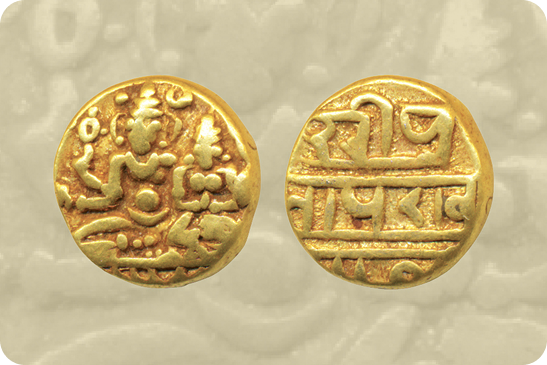
Coins of Vijayanagara Kings
Harihara I (1336-1356 CE) and Bukka Raya I (1336-1356 CE) of Sangama Dynasty: These brothers, the architects of Vijayanagara, consolidated their power through strategic alliances and military prowess. They fended off the Delhi Sultanate’s incursions, particularly under Muhammad bin Tughluq, and laid the groundwork for a flourishing empire.

Devaraya I (1356-1377 CE) of Sangama Dynasty: He is credited with establishing a strong military, capable of repelling attacks from the Bahmani Sultanate. Devaraya I also implemented an efficient administrative structure, dividing the empire into provinces governed by loyal nayakas (chieftains), which paved the way for future expansion.
It was the spiritual guidance and political acumen of the Shankaracharya that proved instrumental in the  rise to power of the founders and laid the foundation for a great  empire.

According to the  legend, Shankaracharya’s travels led him to the banks of the Tungabhadra River. As he sat in meditation, he sees a frantic frog seeking shelter from a sudden downpour, and is offered help by a snake, its natural predator in a remarkable display of harmony.
It’s the vision of the 12th Shankaracharya of the Sringeri Math, Sri Vidyaranya, who once embarked on a journey to locate a place that embodied the ideals of peace and unity and found his search in Hampi.

Sthala Purana

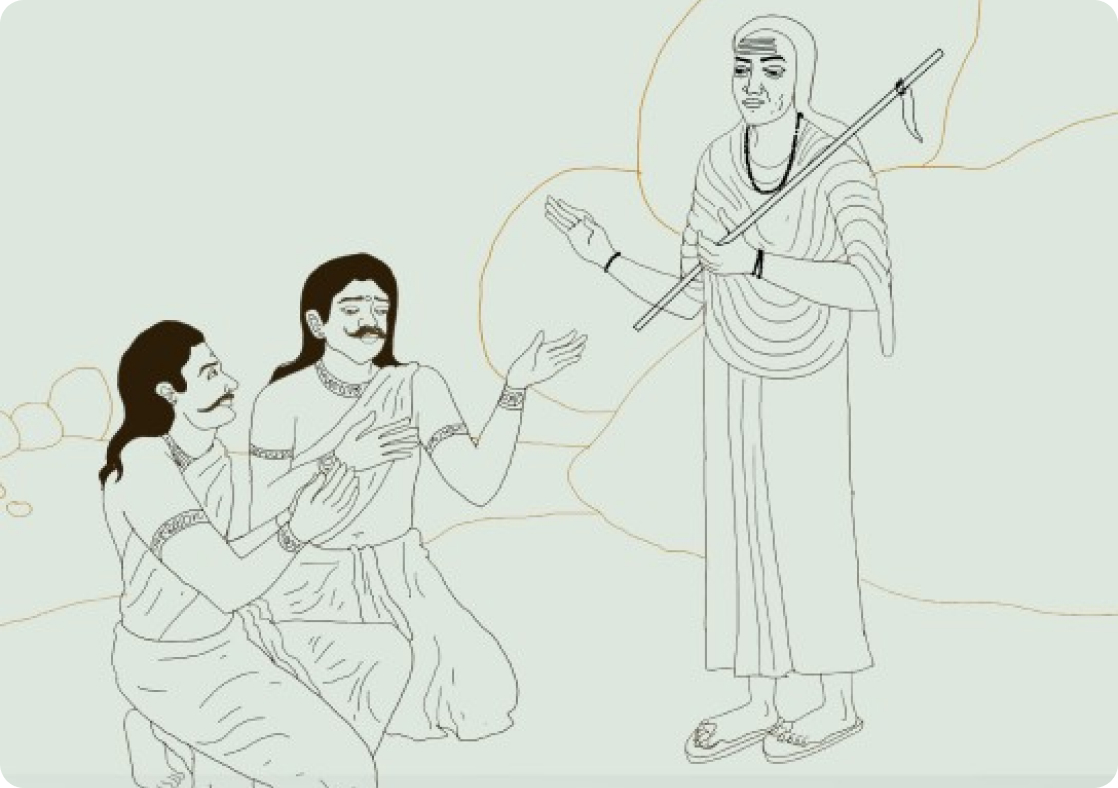
Vidyaranya motivating Hakka and Bukka for the establishment of the Vijayanagara Empire as per our artist’s imagination

Hampi, the majestic capital of the Vijayanagara Empire, is also celebrated in sacred lore as Pampa Kshetra.

According to the Sthala Purana, this land is none other than Kishkindha, the monkey kingdom of the Ramayana. It was here that Lord Rama met Hanuman and Sugriva, forging the alliance that led to the battle against Ravana.

The hills and rivers of Hampi carry echoes of these legends Anjanadri Hill is revered as Hanuman’s birthplace, Rishimukha Hill marks Sugriva’s meeting with Rama, and Matanga Hill is sanctified by sage Matanga’s penance. As Apampa Kshetra, Hampi is also regarded as a sacred space where divine presence lingers, making it not only a UNESCO World Heritage Site but also a timeless spiritual landscape where mythology, history, and devotion converge.
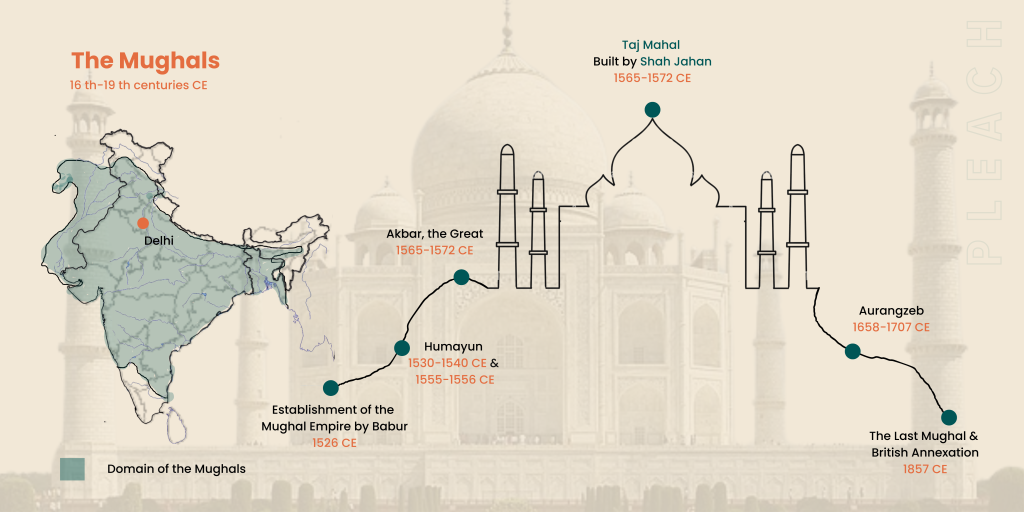
The Mughals Infographic Image
Vijayanagara art and architecture are defined by grand structures and intricate carvings, blending Dravidian and Indo-Islamic styles. Notable for monumental temples, palaces, and fortifications, these works feature elaborate sculptures and detailed frescoes. is strategically combined commercial and religious centres. These bustling marketplaces served the temple community and the broader populace, thrumming with activity at the height of the Vijayanagara Empire.
The sanctum contains a monolithic Shiva Linga, over 4 meters in height, symbolizing the cosmic power of Lord Shiva. The pillared halls display intricate floral and geometric designs, reflecting the finesse of Chola craftsmanship. A series of niches and alcoves house deities, contributing to the temple’s spiritual ambiance.
The Mughals Infographic Image

The sanctum contains a monolithic Shiva Linga, over 4 meters in height, symbolizing the cosmic power of Lord Shiva.
The pillared halls display intricate floral and geometric designs, reflecting the finesse of Chola craftsmanship. A series of niches and alcoves house deities, contributing to the temple’s spiritual ambiance. The pillared halls display intricate floral and geometric designs, reflecting the finesse of Chola craftsmanship. A series of niches and alcoves house deities, contributing to the temple’s spiritual ambiance.

The sanctum contains a monolithic Shiva Linga, over 4 meters in height, symbolizing the cosmic power of Lord Shiva.
The pillared halls display intricate floral and geometric designs, reflecting the finesse of Chola craftsmanship. A series of niches and alcoves house deities, contributing to the temple’s spiritual ambiance. The pillared halls display intricate floral and geometric designs, reflecting the finesse of Chola craftsmanship. A series of niches and alcoves house deities, contributing to the temple’s spiritual ambiance.

Image 1
The sanctum contains a monolithic Shiva Linga, over 4 meters in height, symbolizing the cosmic power of Lord Shiva. The pillared halls display intricate floral and geometric designs, reflecting the finesse of Chola craftsmanship.
Image 2
The sanctum contains a monolithic Shiva Linga, over 4 meters in height, symbolizing the cosmic power of Lord Shiva. The pillared halls display intricate floral and geometric designs, reflecting the finesse of Chola craftsmanship.
Image 3
The sanctum contains a monolithic Shiva Linga, over 4 meters in height, symbolizing the cosmic power of Lord Shiva. The pillared halls display intricate floral and geometric designs, reflecting the finesse of Chola craftsmanship.
Image 4
The sanctum contains a monolithic Shiva Linga, over 4 meters in height, symbolizing the cosmic power of Lord Shiva. The pillared halls display intricate floral and geometric designs, reflecting the finesse of Chola craftsmanship.
Image 5
The sanctum contains a monolithic Shiva Linga, over 4 meters in height, symbolizing the cosmic power of Lord Shiva. The pillared halls display intricate floral and geometric designs, reflecting the finesse of Chola craftsmanship.
Image 6
The sanctum contains a monolithic Shiva Linga, over 4 meters in height, symbolizing the cosmic power of Lord Shiva. The pillared halls display intricate floral and geometric designs, reflecting the finesse of Chola craftsmanship.

The Mughals Infographic Image

The sanctum contains a monolithic Shiva Linga, over 4 meters in height, symbolizing the cosmic power of Lord Shiva. The pillared halls display intricate floral and geometric designs, reflecting the finesse of Chola craftsmanship. A series of niches and alcoves house deities, contributing to the temple’s spiritual ambiance. The pillared halls display intricate floral and geometric designs, reflecting the finesse of Chola craftsmanship. A series of niches and alcoves house deities, contributing to the temple’s spiritual ambiance.
The Mughals Infographic Image

The Mughals Infographic Image

Fought between the forces of the Vijayanagara Empire, led by Rāmarāya of the Aravidu dynasty, and the combined armies of the Deccan Sultanates—Bījāpūr, Aḥmadnagar, Golkonda, and Bīdar—the battle marked a turning point in South Indian history.

Rāmarāya was captured and executed, leading to a devastating defeat. Following their victory, the Sultanate armies marched into Vijayanagara, looting and destroying the city, reducing it to ruins. This catastrophic event ended.

The sanctum contains a monolithic Shiva Linga, over 4 meters in height, symbolizing the cosmic power of Lord Shiva. The pillared halls display intricate floral and geometric designs, reflecting the finesse of Chola craftsmanship. A series of niches and alcoves house deities, contributing to the temple’s spiritual ambiance. The pillared halls display intricate floral and geometric designs, reflecting the finesse of Chola craftsmanship. A series of niches and alcoves house deities, contributing to the temple’s spiritual ambiance.
The Mughals Infographic Image

The Mughals Infographic Image

Fought between the forces of the Vijayanagara Empire, led by Rāmarāya of the Aravidu dynasty, and the combined armies of the Deccan Sultanates—Bījāpūr, Aḥmadnagar, Golkonda, and Bīdar—the battle marked a turning point in South Indian history.

Rāmarāya was captured and executed, leading to a devastating defeat. Following their victory, the Sultanate armies marched into Vijayanagara, looting and destroying the city, reducing it to ruins. This catastrophic event ended.


The Mughals Infographic Image

The Mughals Infographic Image

It was a decisive conflict that led to the downfall of the Vijayanagara Empire. Fought between the forces of the Vijayanagara Empire, led by Rāmarāya of the Aravidu dynasty, and the combined armies of the Deccan Sultanates—Bījāpūr, Aḥmadnagar, Golkonda, and Bīdar—the battle marked a turning point in South Indian history.

Rāmarāya was captured and executed, leading to a devastating defeat. Following their victory, the Sultanate armies marched into Vijayanagara, looting and destroying the city, reducing it to ruins. This catastrophic event ended Vijayanagara’s dominance and left an indelible scar on the region’s cultural and political landscape. 

It was a decisive conflict that led to the downfall of the Vijayanagara Empire. Fought between the forces of the Vijayanagara Empire, led by Rāmarāya of the Aravidu dynasty, and the combined armies of the Deccan Sultanates
Brihadishwara Temple
Gaṅgaikoṇḍa Cōḷapuram - 11th Cen. CE
Brihadishwara Temple
Gaṅgaikoṇḍa Cōḷapuram - 11th Cen. CE
Brihadishwara Temple
Gaṅgaikoṇḍa Cōḷapuram - 11th Cen. CE
The sanctum contains a monolithic Shiva Linga, over 4 meters in height, symbolizing the cosmic power of Lord Shiva. The pillared halls display intricate floral and geometric designs, reflecting the finesse of Chola craftsmanship. The sanctum contains a monolithic Shiva Linga, over 4 meters in height, symbolizing the cosmic power of Lord Shiva.
The sanctum contains a monolithic Shiva Linga, over 4 meters in height, symbolizing the cosmic power of Lord Shiva. The pillared halls display intricate floral and geometric designs, reflecting the finesse of Chola craftsmanship. A series of niches and alcoves house deities, contributing to the temple’s spiritual ambiance. The pillared halls display intricate floral and geometric designs, reflecting the finesse of Chola craftsmanship. A series of niches and alcoves house deities, contributing to the temple’s spiritual ambiance.
Brihadishwara Temple
Gaṅgaikoṇḍa Cōḷapuram - 11th Cen. CE
Brihadishwara Temple
Gaṅgaikoṇḍa Cōḷapuram - 11th Cen. CE
Brihadishwara Temple
Gaṅgaikoṇḍa Cōḷapuram - 11th Cen. CE
The sanctum contains a monolithic Shiva Linga, over 4 meters in height, symbolizing the cosmic power of Lord Shiva. The pillared halls display intricate floral and geometric designs, reflecting the finesse of Chola craftsmanship.
The sanctum contains a monolithic Shiva Linga, over 4 meters in height, symbolizing the cosmic power of Lord Shiva. The pillared halls display intricate floral and geometric designs, reflecting the finesse of Chola craftsmanship. A series of niches and alcoves house deities, contributing to the temple’s spiritual ambiance. The pillared halls display intricate floral and geometric designs, reflecting the finesse of Chola craftsmanship. A series of niches and alcoves house deities, contributing to the temple’s spiritual ambiance.
Flech - Historical Page

Legend has it...

Vidyaranya motivating Hakka and Bukka

Vidyaranya motivating Hakka and Bukka for the establishment of the Vijayanagara Empire as per our artist's imagination

It's the vision of the 12th Shankaracharya of the Sringeri Math, Sri Vidyaranya, who once embarked on a journey to locate a place that embodied the ideas of peace and unity and found his search in Hampi.

It was the spiritual guidance and political acumen of the Shankaracharya that proved instrumental in his role to guide all of its founders and laid the foundation for a great empire.

According to the legend, Shankaracharya's travels led him to the banks of the Tungabhadra river. As he sat in meditation, he saw a hare turning against a hound in a sudden downpour and is offered help by a snake, its natural predator in a remarkable display of harmony.

Sthala Purana
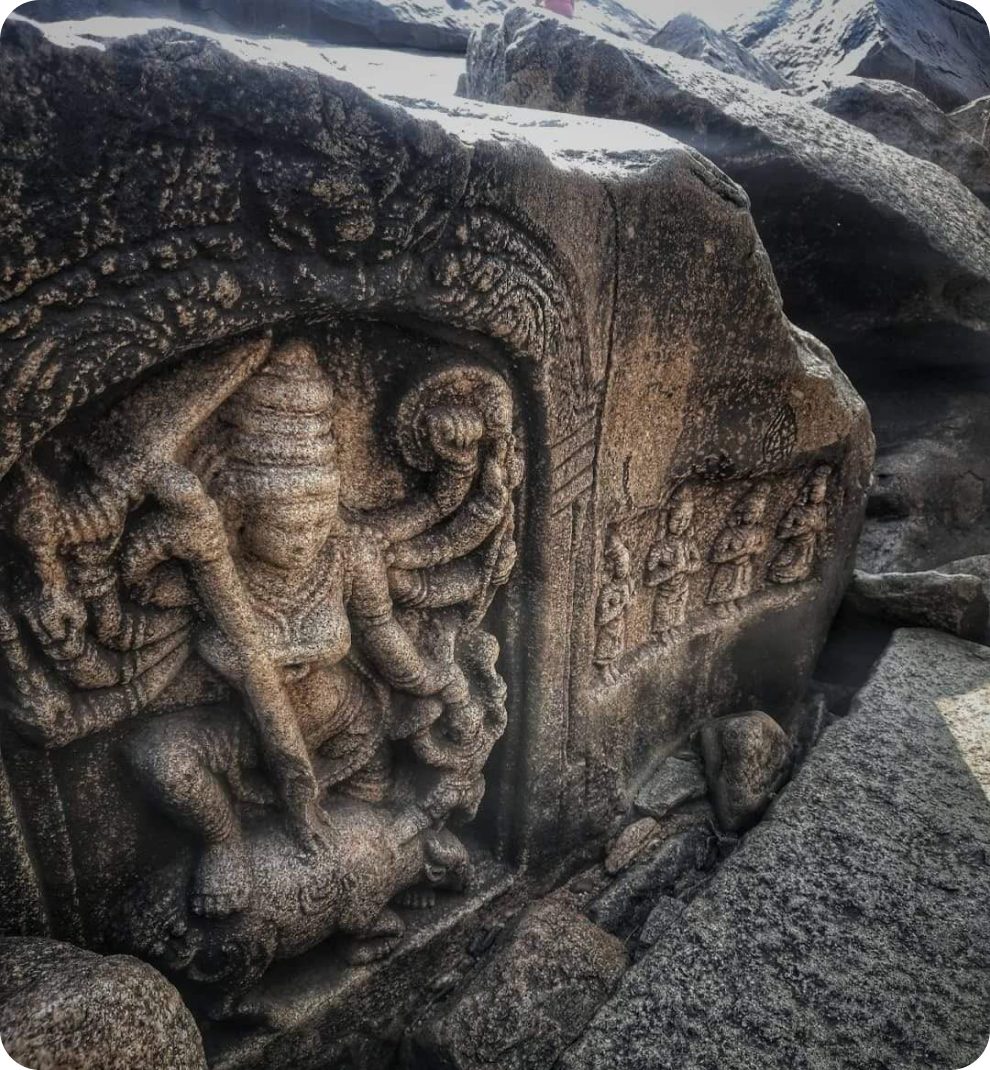
Sculpture from Kishkindha

Vidyaranya motivating Hakka and Bukka for the establishment of the Vijayanagara Empire as per our artist's imagination

Hampi, the majestic capital of the Vijayanagara Empire, is also celebrated in the Puranas as the fabled Kishkindha.

According to the Sthala Purana, this land is none other than Kishkindha, the monkey kingdom of the Ramayana. It was here that Lord Rama met Hanuman and Sugriva, forging the alliance that led to the battle against Ravana.

The hills and rivers of Hampi carry echoes of these legends: Anjanadri hill is revered as Hanuman's birthplace; Rishimukha hill marks Sugriva's meeting with Rama; and Malyavanta hill is remembered as the refuge of Rama during the monsoon. As Aparna Kshatra, Hampi is also regarded as a place that is as divine as the holy city of Kashi, making it not only a UNESCO World Heritage site but also a profound spiritual landscape where mythology, history, and devotion converge.

Experience the Local Flavors - Hampi Utsav

EXPERIENCE THE

LOCAL FLAVORS

HAMPI UTSAV

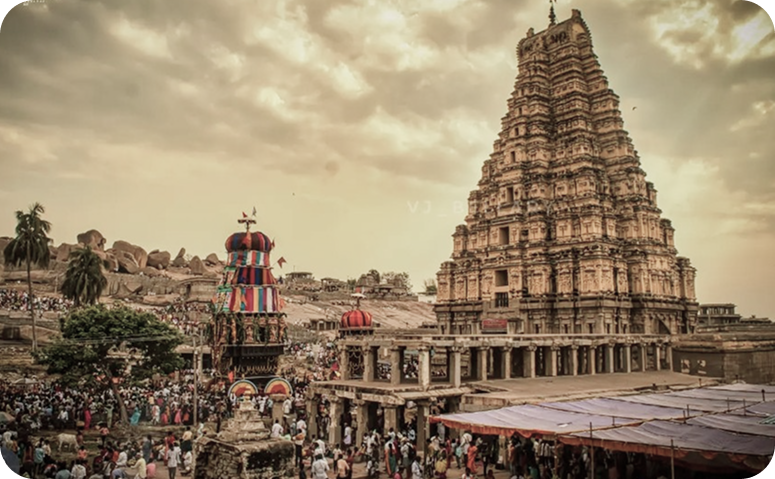
Virupaksha Temple in Hampi

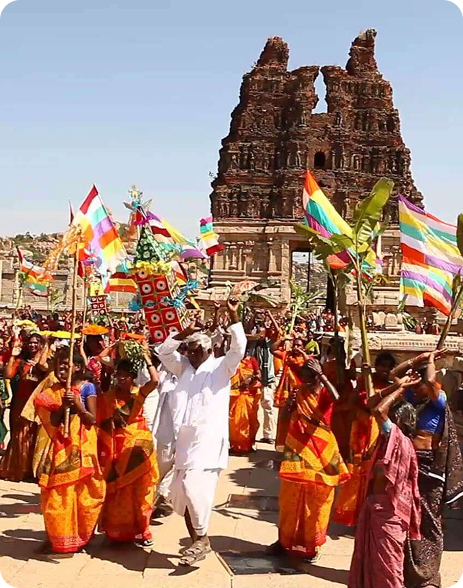
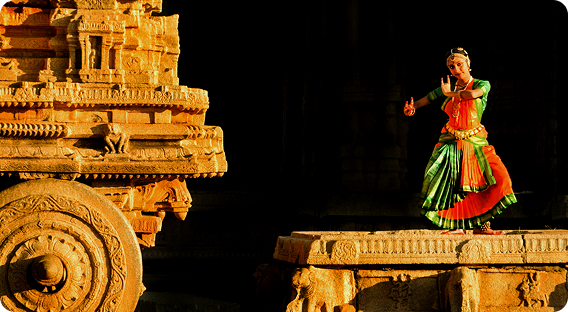
The ruins of Hampi, a UNESCO World Heritage site in central Karnataka, come alive with music and dance during the Hampi Utsava, a festival that celebrates the grandeur of the Vijayanagara Empire. Believed to date back to the empire's era, it might be one of India's oldest festivals.

FAIRS &
FESTIVALS

Woven basket handicraft Small woven pouches

HANDICRAFTS

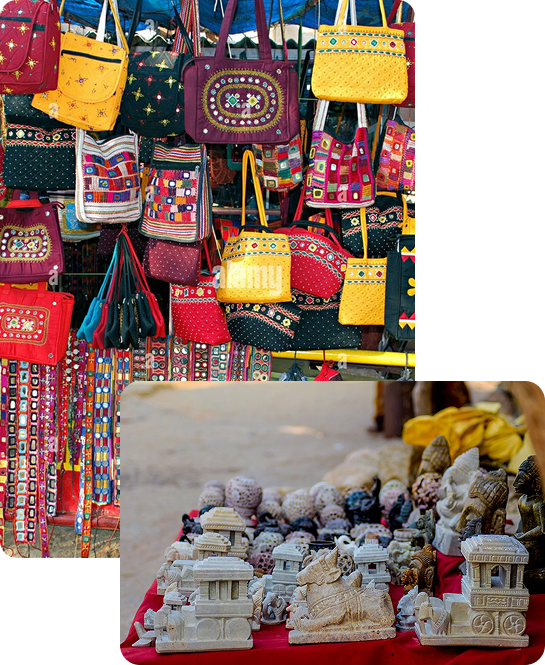
Stone artefacts: Visitors to the area can pick up handcrafted stone figurines of deities and miniatures of the Hampi ruins. The local Lambani women also make bags, jewelry, trinkets, belts, and pouches all around Hampi.

Anegundi, which is just 20 kms away from Hampi, is known for banana fiber crafts (See it Yourself!) which include pen stands, bags, baskets, and cushion covers.

Remember to support local crafts and artists who preserve the beauty of our heritage through years of hard work and training!

CUISINE

Kosambari:

Is one of the most popular dishes on the menu. It is a salad made with split raw moong daal and tempered with a generous amount of coconut shavings, asafoetida (hing), mustard seeds and fragrant curry leaves.

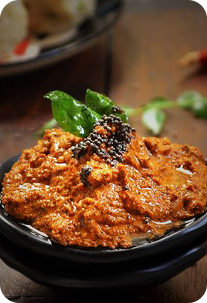
Ellu chutney:

One should not miss out on the delicious ellu chutney (ellu meaning Sesame seeds) that is a popular accompaniment to many South Indian dishes. Try it at any of the traditional eateries in Hampi.

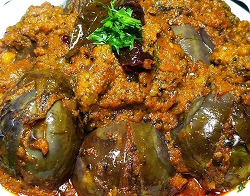
Badane kaayi:

Recipe is a famous dish in Hampi and the northern region of Karnataka. It is closely associated with the area's rich culinary traditions, blending authentic flavors and techniques that reflect the local culture.

Ellu chutney Kosambari salad Badane kaayi dish
The Mughals Infographic Image
Vijayanagara art and architecture are defined by grand structures and intricate carvings, blending Dravidian and Indo-Islamic styles. Notable for monumental temples, palaces, and fortifications, these works feature elaborate sculptures and detailed frescoes. is strategically combined commercial and religious centres. These bustling marketplaces served the temple community and the broader populace, thrumming with activity at the height of the Vijayanagara Empire.
It was a decisive conflict that led to the downfall of the Vijayanagara Empire. Fought between the forces of the Vijayanagara Empire, led by Rāmarāya of the Aravidu dynasty, and the combined armies of the Deccan Sultanates—Bījāpūr, Aḥmadnagar, Golkonda, and Bīdar—the battle marked a turning point in South Indian history.

Rāmarāya was captured and executed, leading to a devastating defeat. Following their victory, the Sultanate armies marched into Vijayanagara, looting and destroying the city, reducing it to ruins. This catastrophic event ended Vijayanagara’s dominance and left an indelible scar on the region’s cultural and political landscape.  It was a decisive conflict that led to the downfall of the Vijayanagara Empire. Fought between the forces of the Vijayanagara Empire, led by Rāmarāya of the Aravidu dynasty, and the combined armies of the Deccan Sultanates—Bījāpūr, Aḥmadnagar, Golkonda, and and Bīdar—the battle marked a turning point in South Indian history.
The sanctum contains a monolithic Shiva Linga, over 4 meters in height, symbolizing the cosmic power of Lord Shiva. The pillared halls display intricate floral and geometric designs, reflecting the finesse of Chola craftsmanship. A series of niches and alcoves house deities, contributing to the temple’s spiritual ambiance.