Welcome to WordPress. This is your first post. Edit or delete it, then start writing!
Lorem Ipsum is simply dummy text of the printing and typesetting industry.
This revised chronology adopts a more formal tone and incorporates terminology used within the field of Buddhist art and archaeology. It also acknowledges the uncertainty surrounding the extent of damage caused by Muslim invasions.
Best of Hampi & Nearby Attractions
Nearest Airport is Trichy Airport (109 km). Ariyalur can be reached by bus or train from Trichy.
Best of Hampi & Nearby Attractions
Explore how time, restoration, and heritage conservation have transformed Hampi from an ancient site into a must-visit cultural treasure.
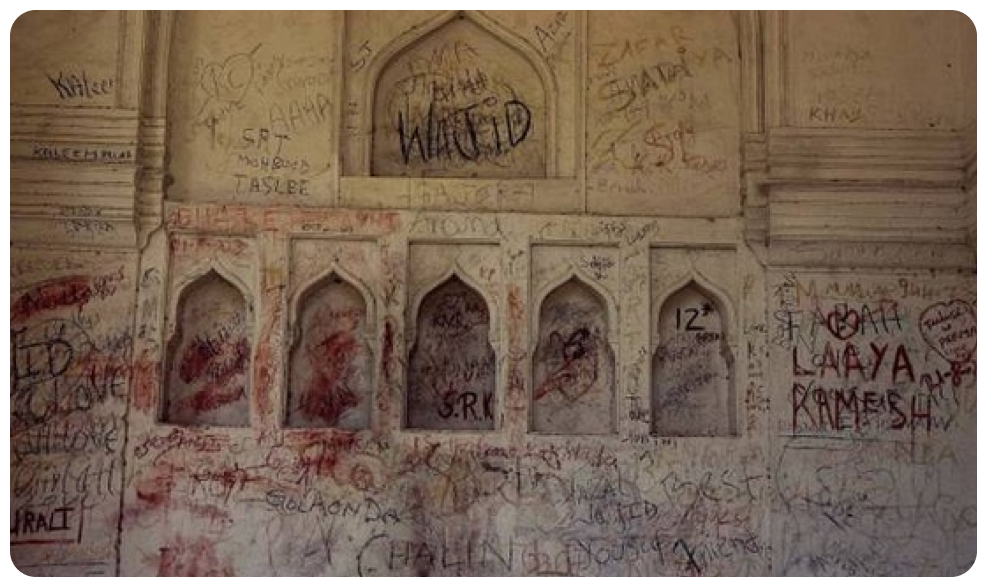
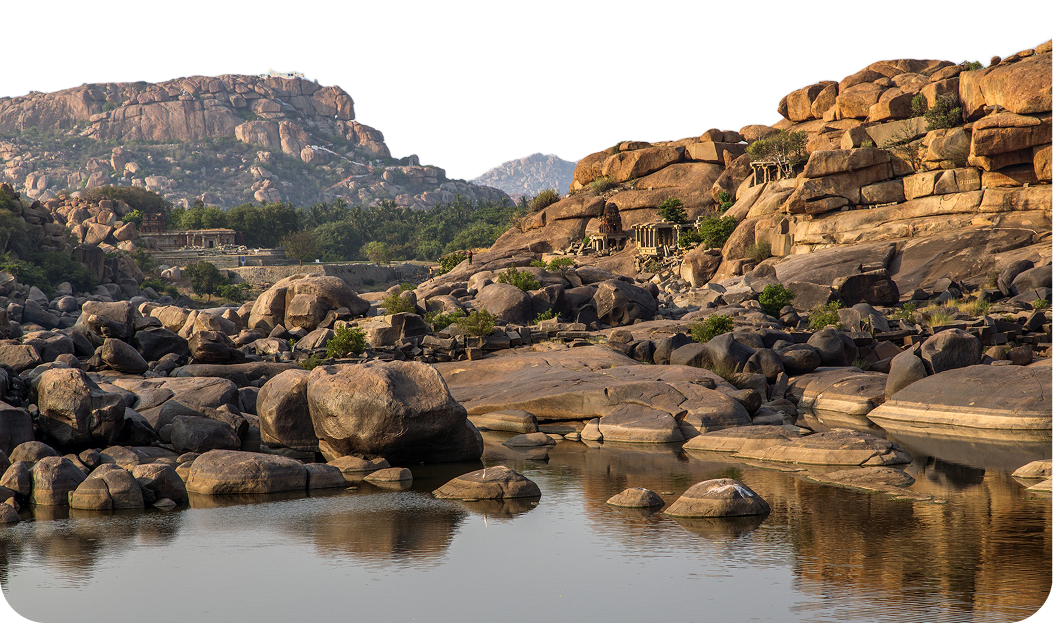
Hampi’s ruins once stood silent, covered in history and nature’s embrace. Crumbling stone structures and overgrown pathways told tales of a forgotten empire.
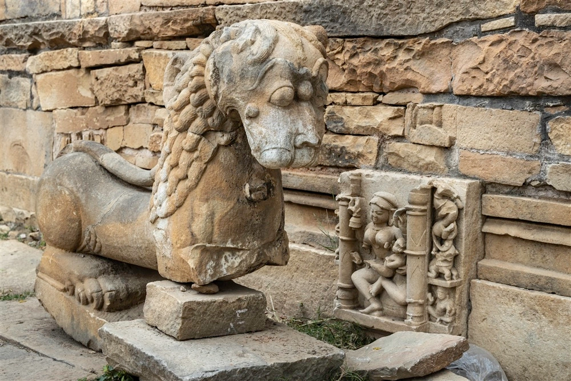
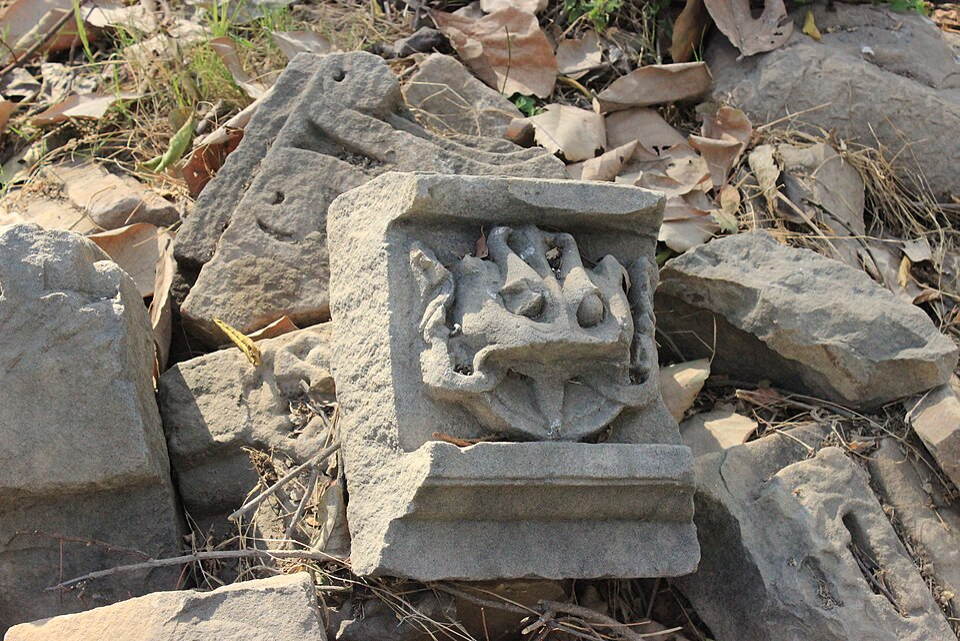
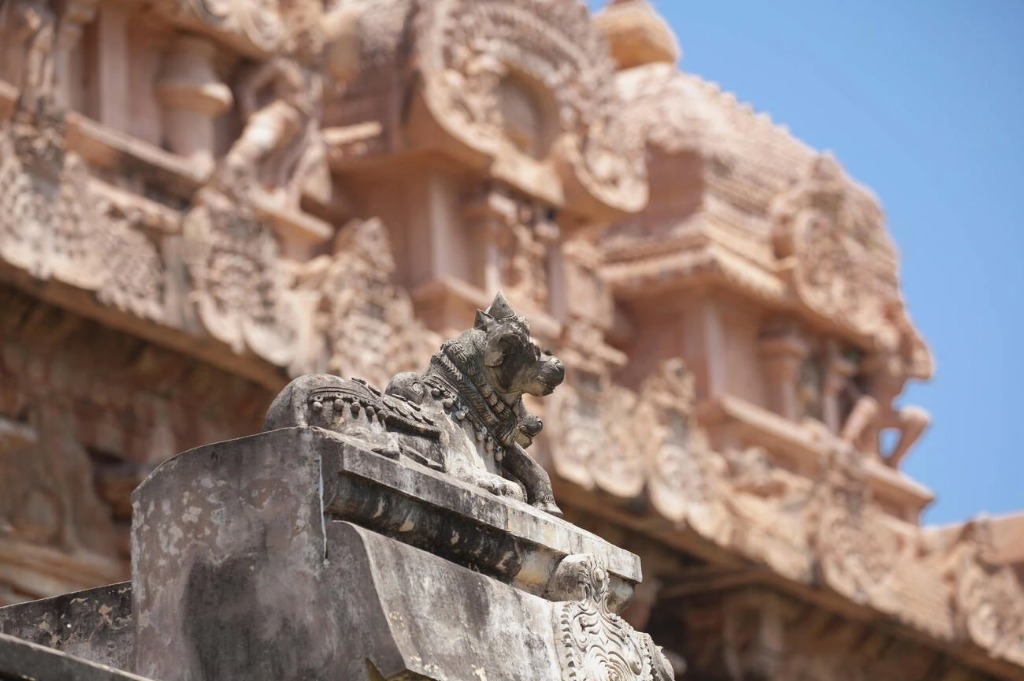
A Leogryph reminds of the sculptural prowess of the artists of Bateshwar
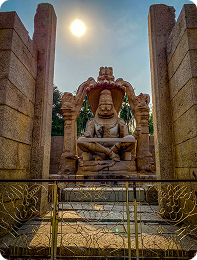
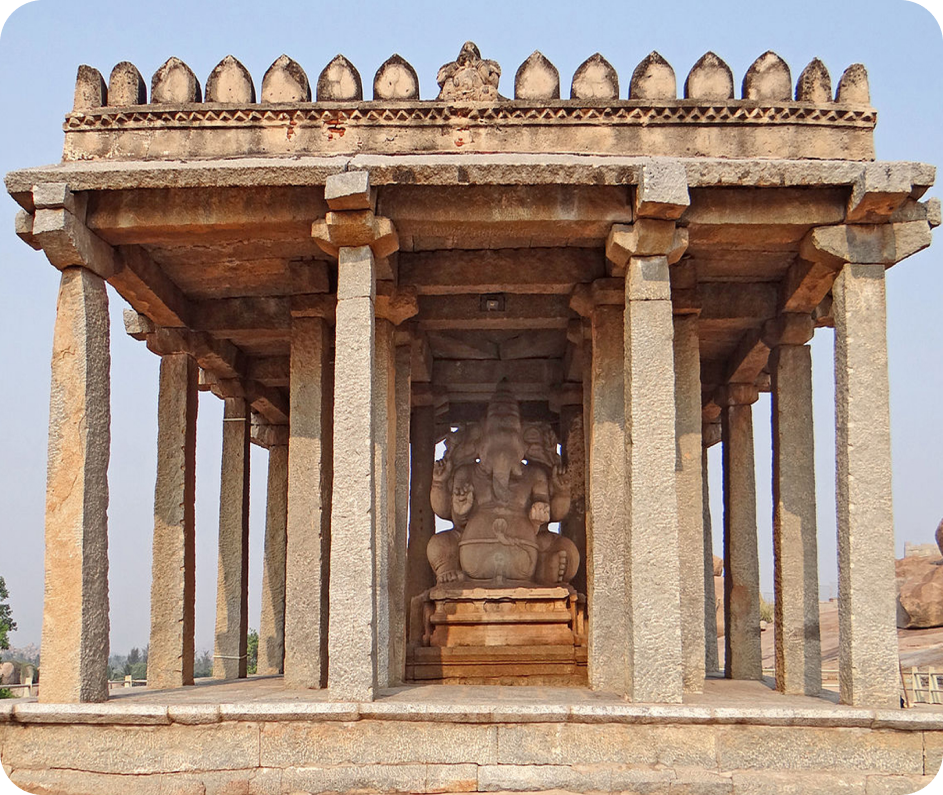
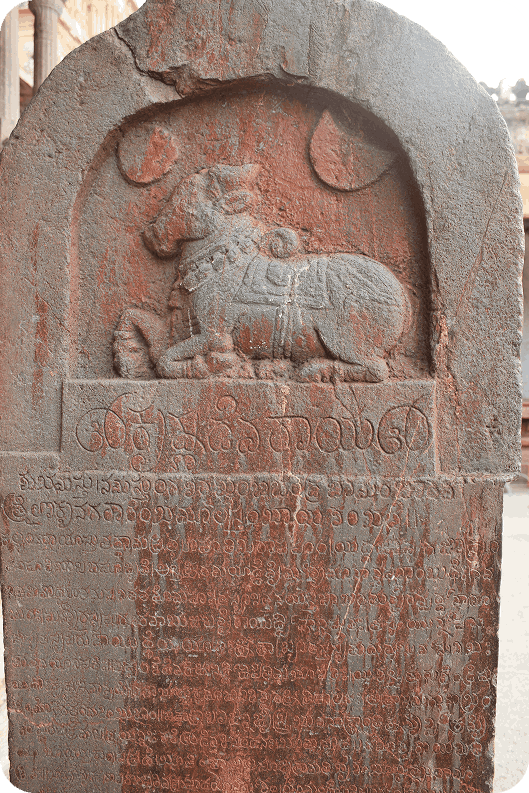
Within an open-air pavilion supported by intricately carved pillars, the statue sits, embodying Hindu temple architecture. An inscription reveals its historical significance.
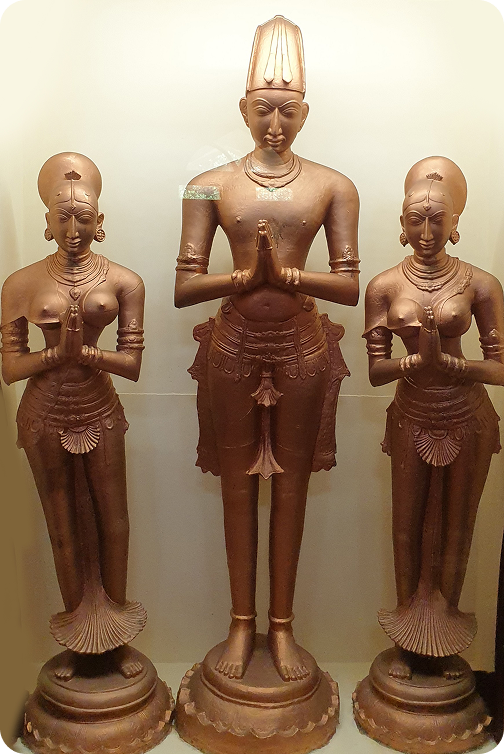
Statue of Krishnadevaraya and his wives
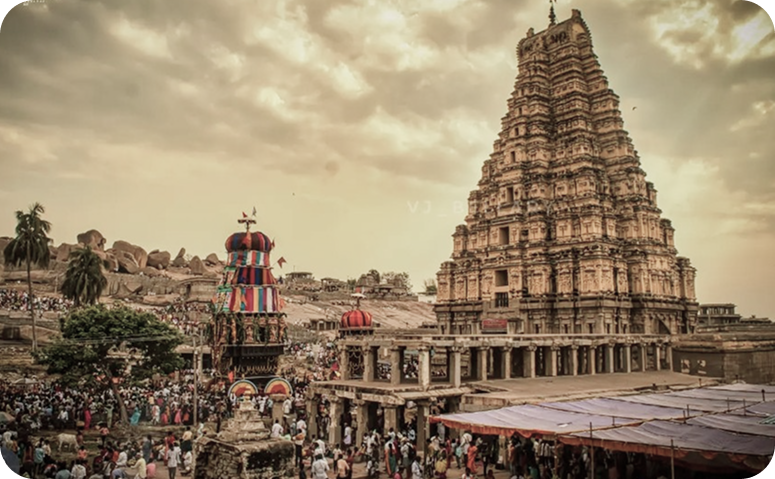
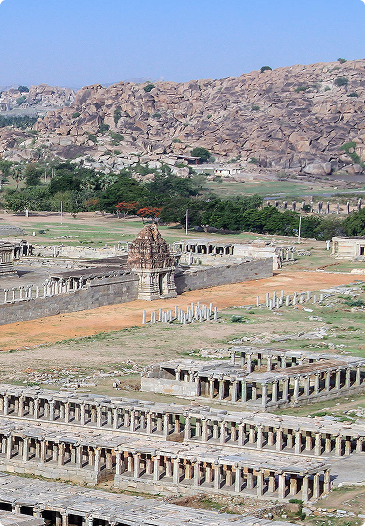
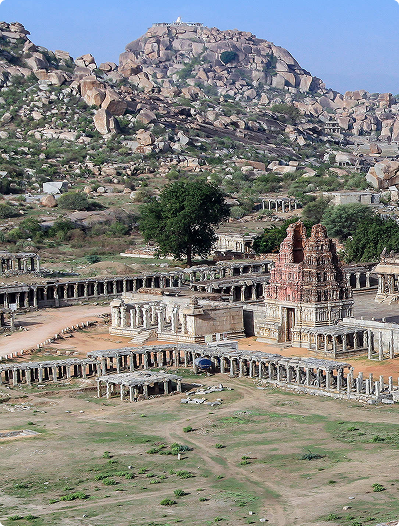
Sprawling majestically over 41 square kilometers, Hampi is an open-air museum teeming with the architectural wonders of the Vijayanagara Empire. The Vijayanagara rulers displayed innovation in town planning, evident in the well-laid-out city of Hampi with its royal enclosures, sacred complexes, and public spaces.
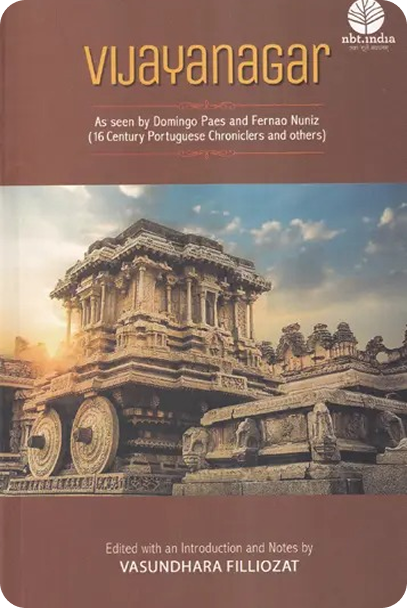
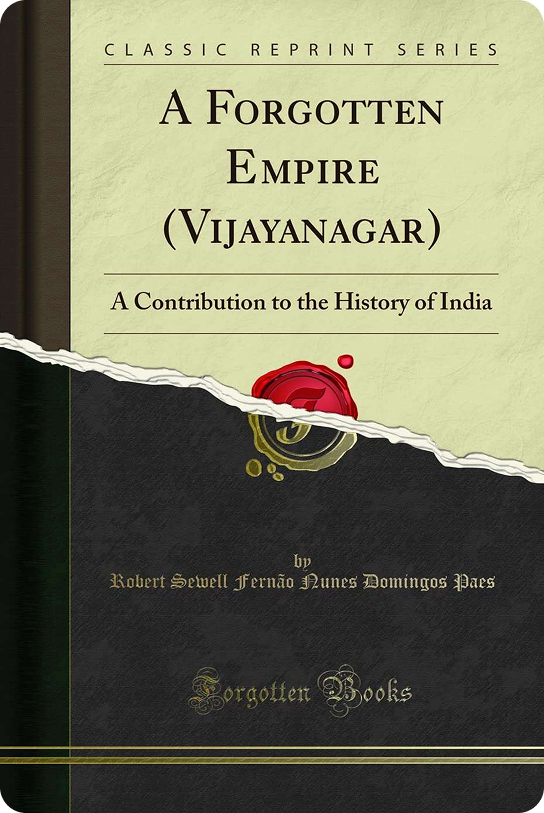
The Portuguese traveler Domingo Paes, who visited his court, wrote:
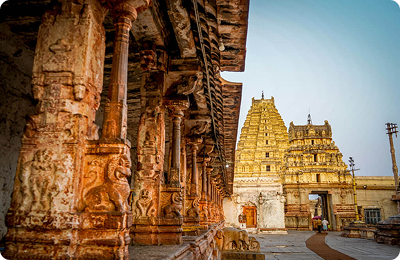
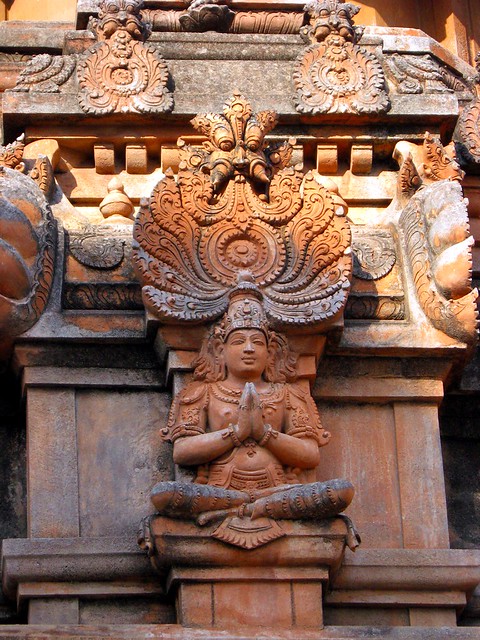
The use of towering gopurams (gateway towers), intricately carved pillars, and distinct styles like the Dravidian reflect a flourishing artistic tradition. From intricately carved temples to pillared halls and royal complexes, each structure whispers tales of a glorious past.
Let’s delve into this captivating realm, exploring some of the most noteworthy monuments that continue to enthrall visitors from all corners of the globe.
It was the spiritual guidance and political acumen of the Shankaracharya that proved instrumental in the rise to power of the founders and laid the foundation for a great empire.
According to the legend, Shankaracharya’s travels led him to the banks of the Tungabhadra River. As he sat in meditation, he sees a frantic frog seeking shelter from a sudden downpour, and is offered help by a snake, its natural predator in a remarkable display of harmony.
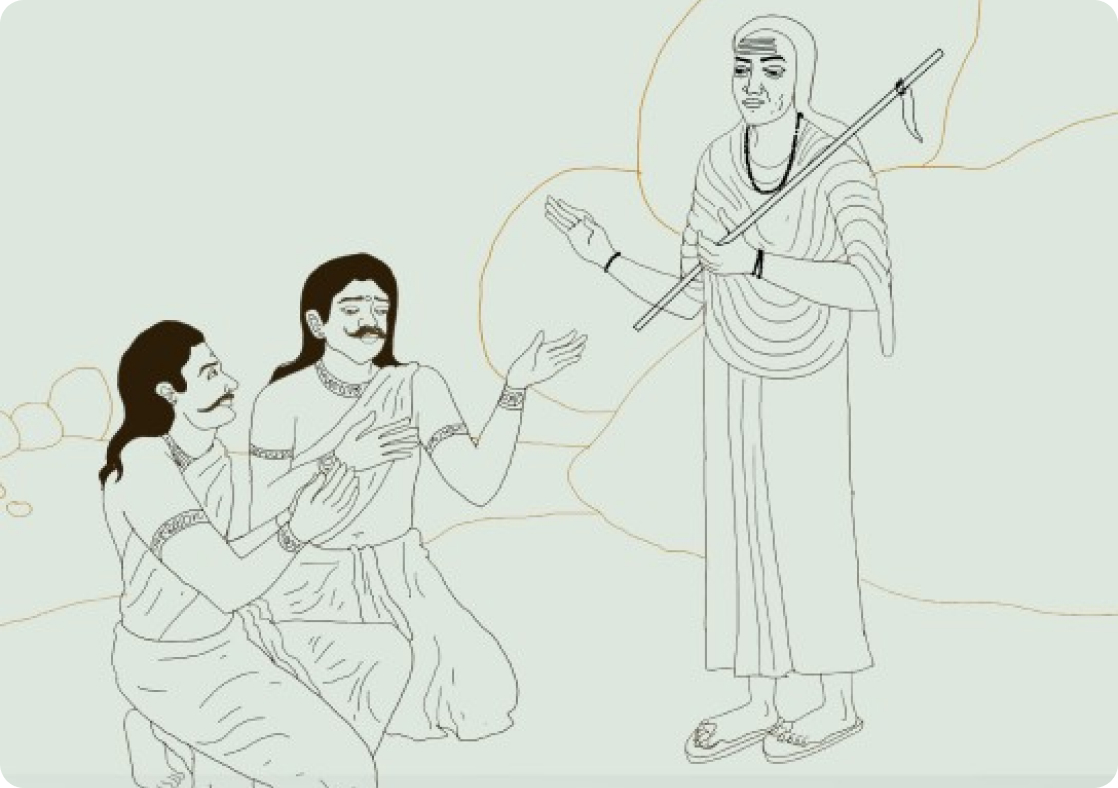
Vidyaranya motivating Hakka and Bukka for the establishment of the Vijayanagara Empire as per our artist’s imagination
The sanctum contains a monolithic Shiva Linga, over 4 meters in height, symbolizing the cosmic power of Lord Shiva.
The pillared halls display intricate floral and geometric designs, reflecting the finesse of Chola craftsmanship. A series of niches and alcoves house deities, contributing to the temple’s spiritual ambiance. The pillared halls display intricate floral and geometric designs, reflecting the finesse of Chola craftsmanship. A series of niches and alcoves house deities, contributing to the temple’s spiritual ambiance.
The sanctum contains a monolithic Shiva Linga, over 4 meters in height, symbolizing the cosmic power of Lord Shiva.
The pillared halls display intricate floral and geometric designs, reflecting the finesse of Chola craftsmanship. A series of niches and alcoves house deities, contributing to the temple’s spiritual ambiance. The pillared halls display intricate floral and geometric designs, reflecting the finesse of Chola craftsmanship. A series of niches and alcoves house deities, contributing to the temple’s spiritual ambiance.
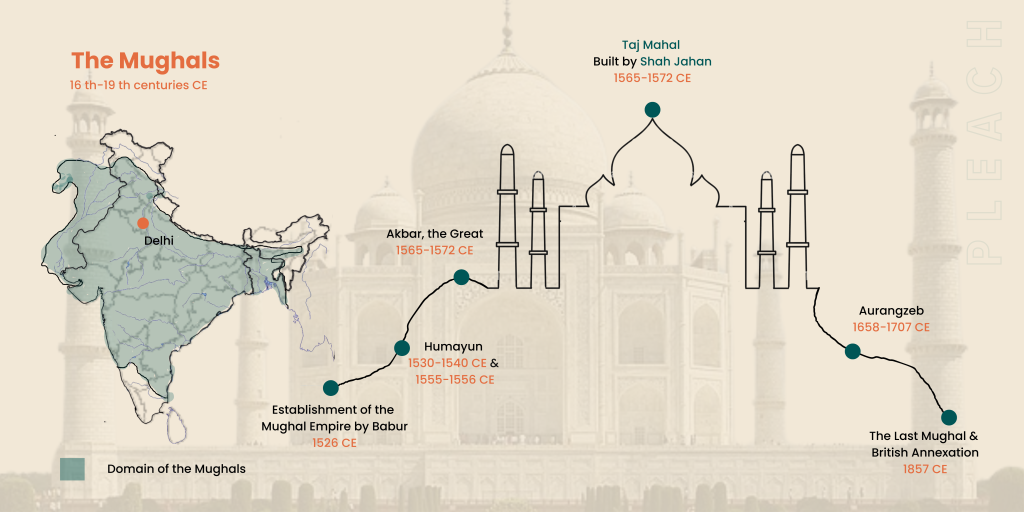
The Mughals Infographic Image
Fought between the forces of the Vijayanagara Empire, led by Rāmarāya of the Aravidu dynasty, and the combined armies of the Deccan Sultanates—Bījāpūr, Aḥmadnagar, Golkonda, and Bīdar—the battle marked a turning point in South Indian history.
Rāmarāya was captured and executed, leading to a devastating defeat. Following their victory, the Sultanate armies marched into Vijayanagara, looting and destroying the city, reducing it to ruins. This catastrophic event ended.
The Mughals Infographic Image
Fought between the forces of the Vijayanagara Empire, led by Rāmarāya of the Aravidu dynasty, and the combined armies of the Deccan Sultanates—Bījāpūr, Aḥmadnagar, Golkonda, and Bīdar—the battle marked a turning point in South Indian history.
Rāmarāya was captured and executed, leading to a devastating defeat. Following their victory, the Sultanate armies marched into Vijayanagara, looting and destroying the city, reducing it to ruins. This catastrophic event ended.
The Mughals Infographic Image
Vidyaranya motivating Hakka and Bukka for the establishment of the Vijayanagara Empire as per our artist's imagination
It was the spiritual guidance and political acumen of the Shankaracharya that proved instrumental in his role to guide all of its founders and laid the foundation for a great empire.
According to the legend, Shankaracharya's travels led him to the banks of the Tungabhadra river. As he sat in meditation, he saw a hare turning against a hound in a sudden downpour and is offered help by a snake, its natural predator in a remarkable display of harmony.
Vidyaranya motivating Hakka and Bukka for the establishment of the Vijayanagara Empire as per our artist's imagination
Hampi, the majestic capital of the Vijayanagara Empire, is also celebrated in the Puranas as the fabled Kishkindha.
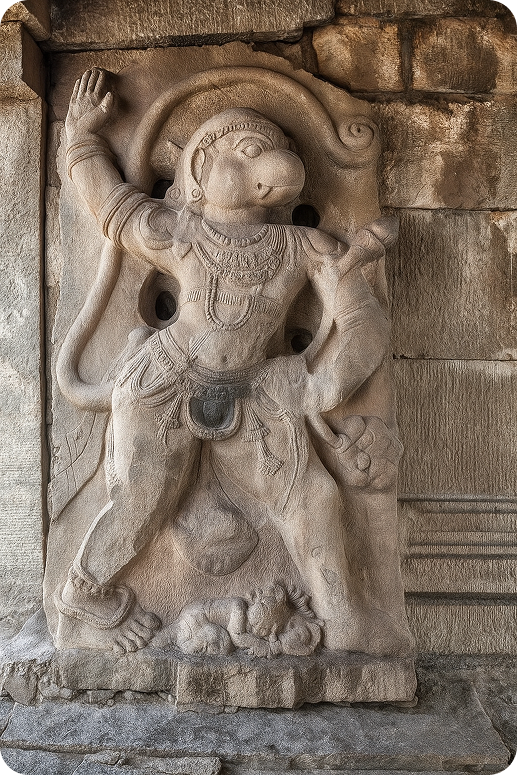
According to the Sthala Purana, this land is none other than Kishkindha, the monkey kingdom of the Ramayana. It was here that Lord Rama met Hanuman and Sugriva, forging the alliance that led to the battle against Ravana.
The hills and rivers of Hampi carry echoes of these legends: Anjanadri hill is revered as Hanuman's birthplace; Rishimukha hill marks Sugriva's meeting with Rama; and Malyavanta hill is remembered as the refuge of Rama during the monsoon. As Aparna Kshatra, Hampi is also regarded as a place that is as divine as the holy city of Kashi, making it not only a UNESCO World Heritage site but also a profound spiritual landscape where mythology, history, and devotion converge.
HAMPI UTSAV
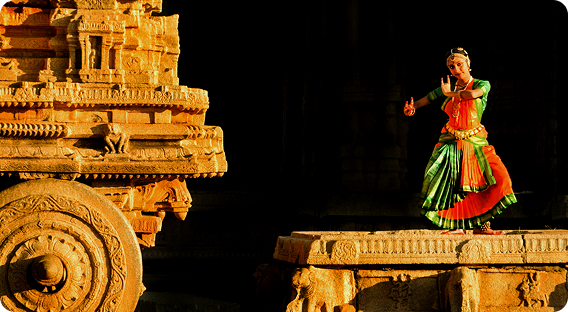
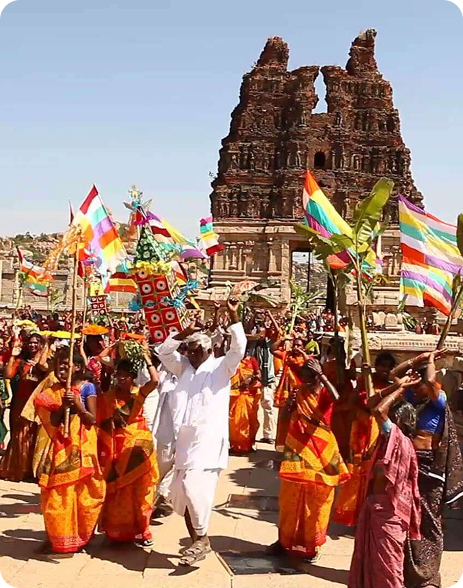
The ruins of Hampi, a UNESCO World Heritage site in central Karnataka, come alive with music and dance during the Hampi Utsava, a festival that celebrates the grandeur of the Vijayanagara Empire. Believed to date back to the empire's era, it might be one of India's oldest festivals.
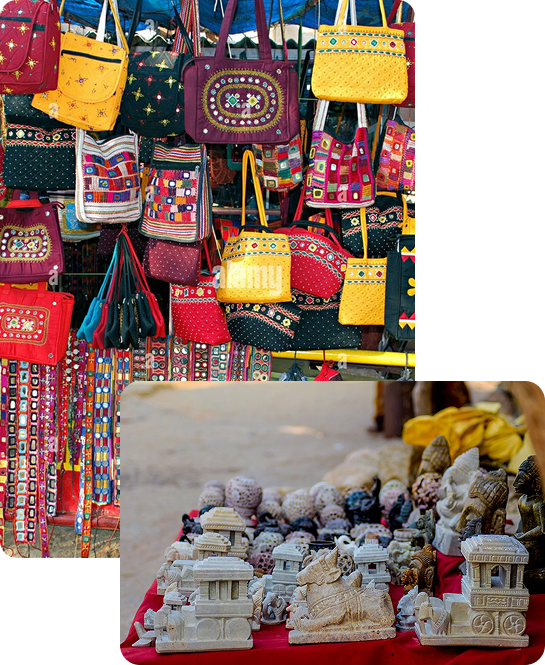
Stone artefacts: Visitors to the area can pick up handcrafted stone figurines of deities and miniatures of the Hampi ruins. The local Lambani women also make bags, jewelry, trinkets, belts, and pouches all around Hampi.
Anegundi, which is just 20 kms away from Hampi, is known for banana fiber crafts (See it Yourself!) which include pen stands, bags, baskets, and cushion covers.
Remember to support local crafts and artists who preserve the beauty of our heritage through years of hard work and training!
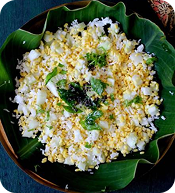
Is one of the most popular dishes on the menu. It is a salad made with split raw moong daal and tempered with a generous amount of coconut shavings, asafoetida (hing), mustard seeds and fragrant curry leaves.
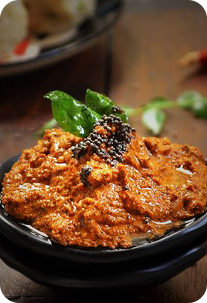
One should not miss out on the delicious ellu chutney (ellu meaning Sesame seeds) that is a popular accompaniment to many South Indian dishes. Try it at any of the traditional eateries in Hampi.
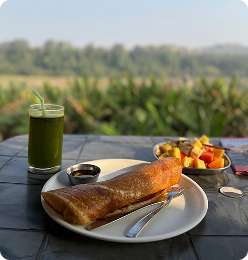
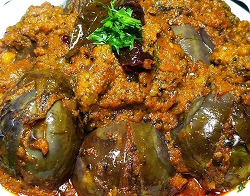
Recipe is a famous dish in Hampi and the northern region of Karnataka. It is closely associated with the area's rich culinary traditions, blending authentic flavors and techniques that reflect the local culture.
Hi, this is a comment.
To get started with moderating, editing, and deleting comments, please visit the Comments screen in the dashboard.
Commenter avatars come from Gravatar.